Rail Freight Solutions
Table of Contents
1. What Is International Rail Freight?
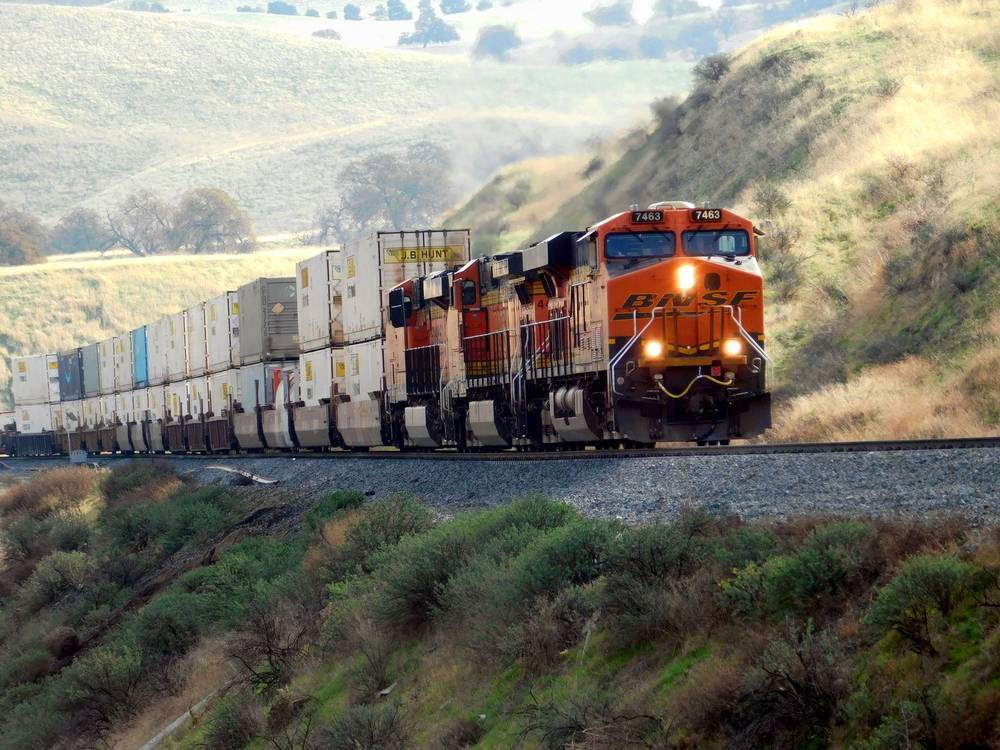
International rail freight uses China–Europe block trains and China–Central Asia block trains as its core carriers, and moves cross-border container cargo over a multinational rail network. It is a stable and reliable trunk-line logistics solution that sits between ocean freight and air freight. Unlike the long voyages of ocean freight and the high freight rates of air freight, international rail comes with fixed block-train schedules and a standardised process for gauge transfer and customs clearance at border ports, which makes it a very mainstream export channel from China to Central Asia, Russia and Europe.
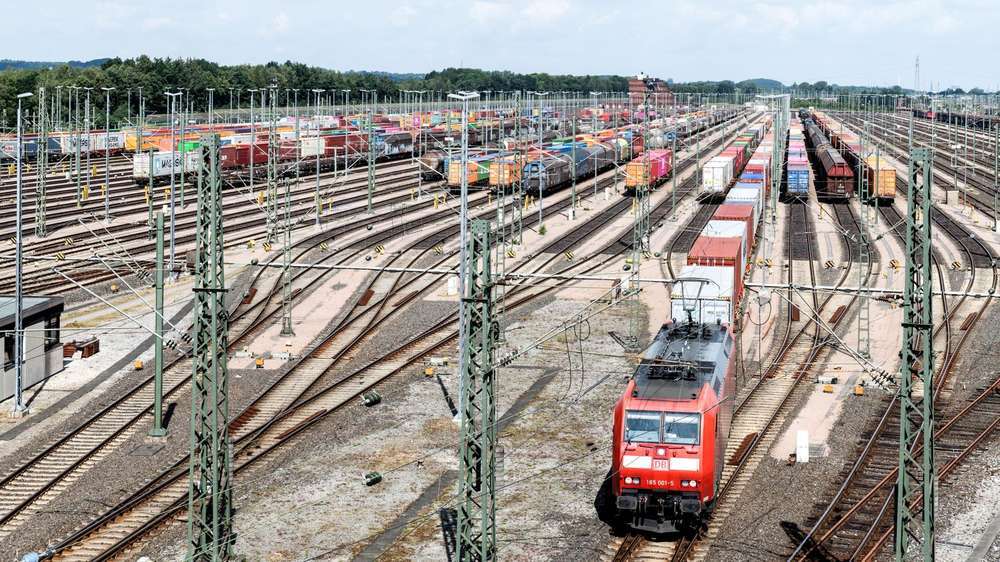
The mainstream modes are divided into:
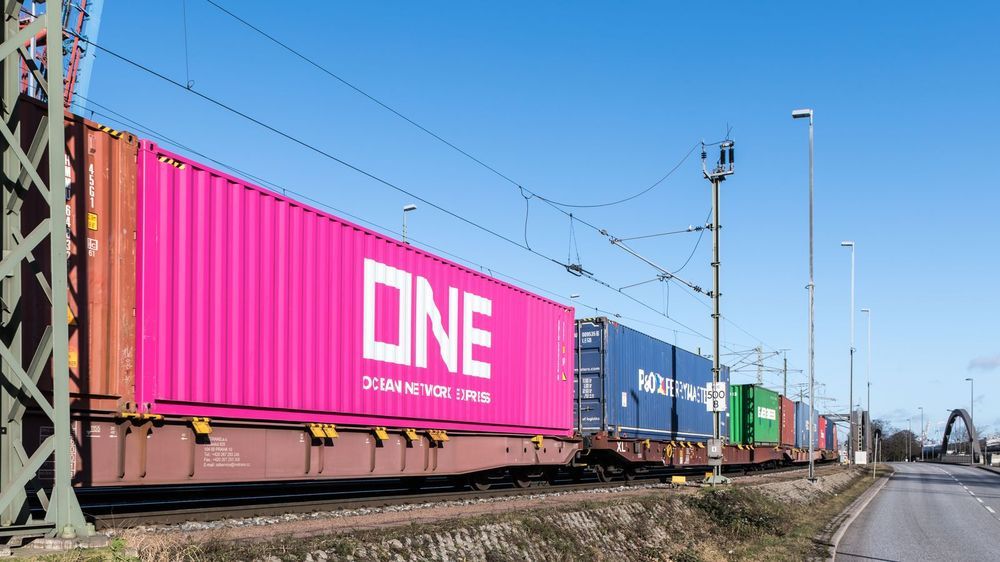
- FCL railway: a single shipper has exclusive use of one container, station-to-station or door-to-door, which suits large-volume, steady shipments
- LCL railway: cargo from several shippers is consolidated into the container of the same train, which suits small and medium batch replenishment and spare parts, with better cost efficiency
Depending on cargo volume and transit-time budget, you can choose standard block trains or expedited block trains to match different export shipping requirements.
Practical parameters: China–Europe block trains (Xi’an / Chengdu / Chongqing / Changsha to major European terminals) have a reference transit time of 14–20 days, excluding gauge transfer at border ports, customs inspection, customs clearance at the destination station and final-mile delivery; the Central Asia direction (Almaty / Tashkent) is about 6–10 days.
2. Cargo Suitable and Unsuitable for Rail Freight
Cargo Suitable for Rail Freight
- Regular orders with transit-time requirements: overseas warehouse replenishment, electromechanical equipment, construction machinery spare parts, packaged project cargo
- High-value, storage-tolerant cargo: electronic products, instrument spare parts, hardware products, photovoltaic modules, energy-storage supporting materials
- Medium-batch container cargo: full-container foreign-trade orders, stable repeat orders across multiple batches, knocked-down complete equipment
- E-commerce and industrial-trade cargo: cross-border e-commerce stock, regular factory export goods
Scenarios Where Rail Freight Is Not Recommended
- Over-limit and over-weight heavy cargo: rail is strictly limited by the loading gauge and wagon dimensions, so over-height, over-width and over-weight cargo is very difficult to arrange; break-bulk and OOG special container solutions should be considered first.
- Some high-risk dangerous goods: rail dangerous-goods declaration review standards are strict and many dangerous-goods categories are restricted, so documents must be pre-reviewed in advance against the IMDG dangerous goods declaration rules.
- Very low-value bulk cargo: compared with ocean freight, rail freight has no price advantage and weaker economics, so FCL full-container transport or LCL consolidation should be evaluated first.
Practical note: rail freight is charged by container type, and LCL volume is calculated on volumetric weight; space and container supply are affected by the block-train plan, and space tends to be tight in peak season.
3. Core Advantages of International Rail Logistics
3.1 Stable Transit Times and Outstanding Value for Money
China–Europe and China–Central Asia block-train routes are mature: transit times are far faster than ocean freight (ocean freight takes 35–45 days) and freight rates are far lower than international air freight. It suits orders where you do not want to bear the high price of air freight but cannot accept the long lead time of ocean freight, helping customers shorten the delivery cycle.
3.2 High Safety with Controllable Cargo Damage
Containers are closed throughout the journey and transshipment nodes are standardised. Compared with TIT international trucking, which involves repeated road transfers, the risk of vibration and impact damage is lower, which suits precision equipment, electromechanical spare parts and other cargo that is sensitive to cargo damage.
3.3 Fixed Schedules and Strong Planning Ability
Block trains run to a fixed departure timetable, which makes it easy for foreign-trade companies to plan production and delivery in advance. Unlike trucking, they are not easily affected by road conditions or cross-border traffic flows, so they suit customers with long-term, stable shipments.
3.4 Wide Area Coverage
Routes cover the five Central Asian countries, Russia and multiple European countries, with many inland terminals and direct calls at many inland cities, solving the pain point that purely inland destinations have no ocean port.
3.5 General Cargo and Battery-Powered Cargo Accepted
Compliant battery-powered products and cargo with accompanying batteries can be arranged by rail when the documentation is complete, matching the export needs of the energy-storage and electromechanical industries.
4. Key Limitations and Inherent Business Risks
Rail freight also has objective constraints that need to be fully understood before choosing it:
- Routes have boundaries: rail only reaches countries connected by rail, and island countries or regions without rail connections cannot be served directly; for very large volumes at a very low budget, ocean freight is more suitable.
- Customs policies differ by country: for battery-powered, magnetic and accompanying-battery cargo, a full set of test documents must be prepared; we only provide documentary pre-review, and the customs authorities of transit and destination countries hold the final release authority, so 100% customs release cannot be guaranteed.
- Transit times fluctuate: the quoted transit time is a reference under normal operation and excludes gauge transfer at border ports, customs inspection, and customs clearance and delivery in the destination country; congestion at border ports, block-train adjustments and inspections will cause delays.
- Space is seasonally tight: space is scarce in peak shipping seasons and exhibition seasons, so space must be locked in advance and urgent ad-hoc orders may not be loaded quickly.
- Less flexible than trucking: terminals are fixed and the final leg generally requires truck delivery, so uninterrupted door-to-door direct service is difficult to achieve.
- Sanctions compliance risk (Russia / Belarus direction): cargo bound for Russia or Belarus requires sanctions screening in advance; if any link — shipper, consignee, or the paying or receiving bank — is on a restricted list, the cargo may be held at the border port.
5. Bloom Supply Chain Professional International Rail Logistics Services
Bloom Supply Chain has deep experience in China–Europe and China–Central Asia rail routes, stably connects with block-train resources, and provides B2B foreign-trade factories and project customers with one-stop rail container logistics solutions that secure space and delivery rhythm.
5.1 Stable Block-Train Resource Network
We lock space on mainstream routes all year round, covering core terminals in Central Asia, Russia and Europe, and support FCL and LCL rail transport of general cargo and compliant battery-powered cargo, matching industrial and trade export orders for spare parts, complete equipment, photovoltaic modules and energy storage.
5.2 One-Stop, Full-Chain Rail Services
We offer multiple delivery terms: door-to-door, station-to-station and port-to-station.
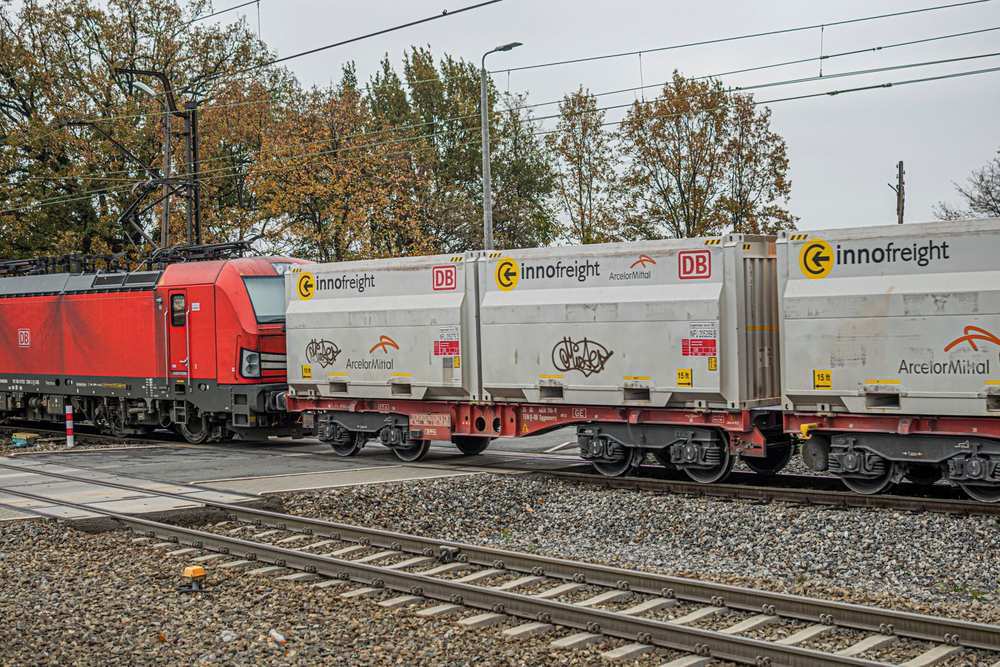
Services include: pickup at origin, export customs declaration, space booking, coordination of gauge transfer at border ports, international rail trunk-line transport, coordination of customs clearance at destination, and trailer delivery at destination.
Important note: reinforced packaging, cargo supervision during loading, and dedicated dangerous-goods declaration are value-added services and are not included in the base quotation. Cargo insurance can be added for high-value goods to cover cargo risk on the rail leg.
5.3 Container Loading and Compliance Pre-Review
For project equipment, electromechanical spare parts and battery-powered cargo, we review documents and packaging requirements in advance, guide standardised container loading, and reduce the probability of cargo being held for inspection at border ports.
5.4 Node-Based Visual Tracking
We synchronise pickup, container loading, departure, border-port transit, arrival and delivery nodes along the whole journey; a dedicated project specialist shares updates and handles border-port exceptions in good time.
5.5 Differentiated Solution Matching
Depending on your delivery requirements, we pair standard block trains with priority expedited block trains, and help you compare rail, TIR trucking, ocean freight and international air freight side by side, to select the solution that matches your budget and lead time.
International rail freight suits industrial and trade companies and project orders that pursue stable transit times and long-term steady shipments. Bloom Supply Chain combines cargo type, container volume, destination and delivery requirements to tailor a dedicated rail transport solution.
Submit your cargo parameters, container volume and transit-time requirements to receive a free feasibility assessment and a customised rail quotation.
Contact us