TIR Cross-Border Trucking
Table of Contents
1. What Is International Trucking (TIR)?
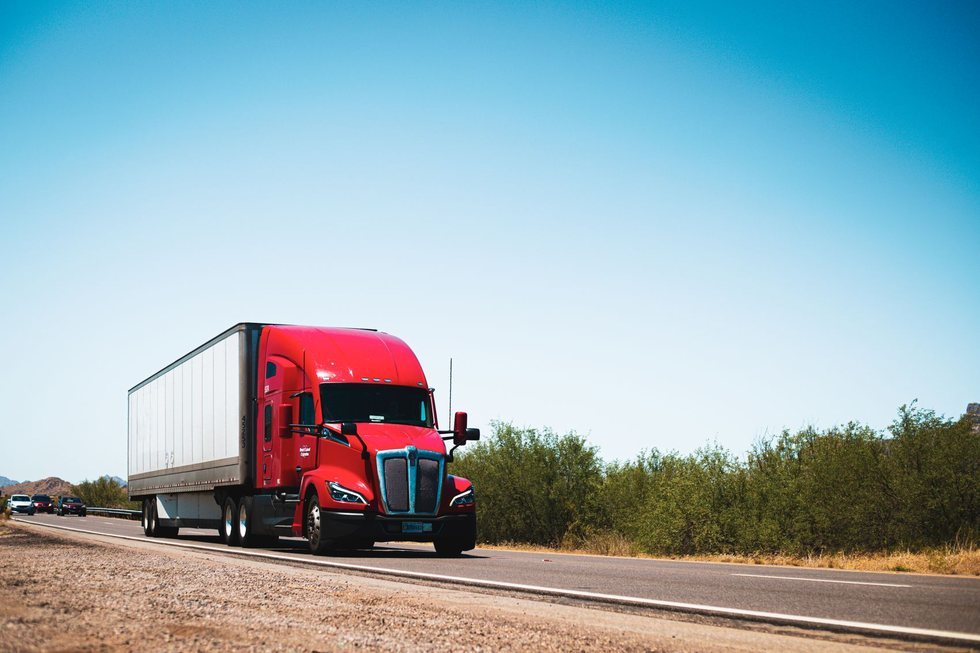
International trucking — TIR cross-border road freight — uses cross-border trucks as the transport vehicle to move goods from country to country over land. It sits between ocean freight and air freight, balancing transit time against cost, and is a mainstream cross-border land logistics solution. Where ocean freight means a long turnaround and air freight means high rates, trucking relies on the cross-border road network and the TIR Convention (Transports Internationaux Routiers) to clear several countries in one movement. Goods covered by a TIR carnet can be sealed once and transit multiple countries without repeated unpacking and re-declaration at every border, the operating procedure is standardised, and border crossing points move cargo efficiently.
Terminology note: a TIR carnet is an international customs transit document issued by the authorised guaranteeing associations of each country. We only assist with the paperwork application and coordination. Ultimate issuing authority rests with the authorised guaranteeing chamber of commerce in each country — a logistics provider cannot issue a TIR carnet itself.
The two mainstream trucking modes are:
- FTL — Full Truck Load: a single shipper occupies the whole truck with direct door-to-door delivery. Suited to large-volume, urgent cargo.
- LTL — Less than Truck Load: cargo from several shippers is consolidated onto the same scheduled truck. Suited to small and medium batch replenishment and spare parts, at a better cost.
Economy LTL, standard LTL and expedited FTL let you match the mode to your cargo volume and transit-time requirement, so one road network covers a wide range of shipping needs.
2. Suitable and Unsuitable Cargo
Suitable for TIR trucking
- Time-critical cargo: urgent replenishment orders, overseas project spare parts, returned or repaired goods and last-minute rush orders.
- High-value cargo: electronic components, electromechanical equipment, instrument parts and small packaged units for turnkey projects.
- Small and medium cross-border batches: export production orders, overseas warehouse replenishment and low-volume trial shipments.
- Project support materials: construction machinery spare parts, industrial consumables and knocked-down sets of complete equipment.
Not recommended for TIR trucking
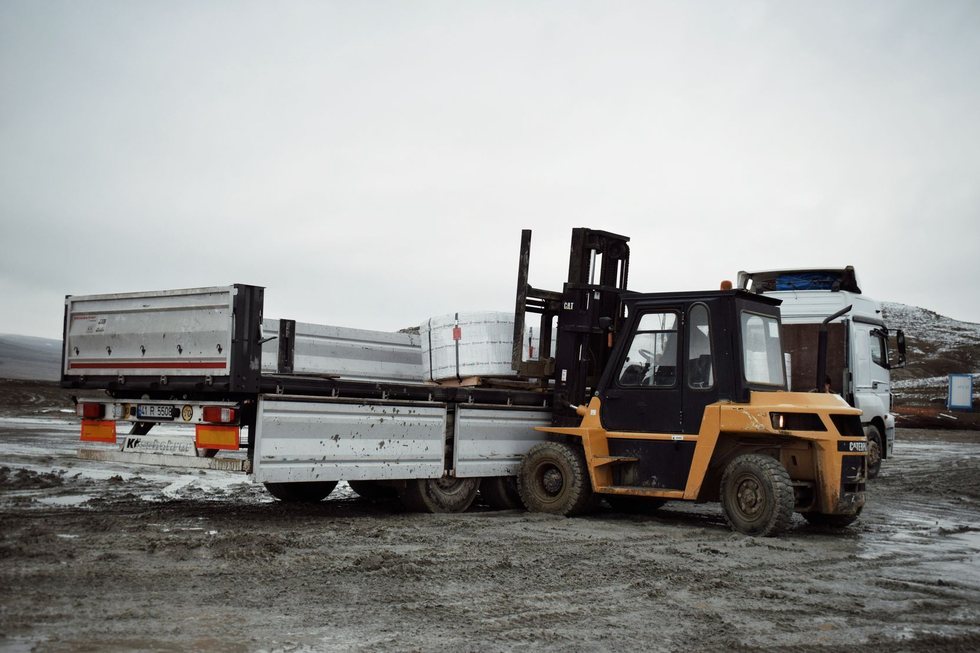
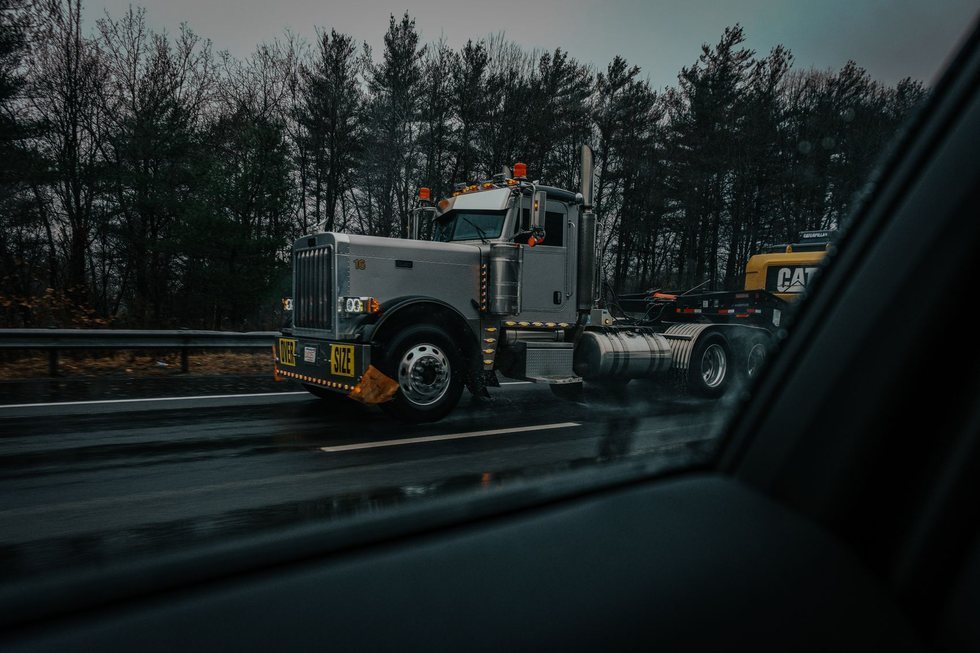
- Over-weight, over-size project cargo: cross-border road regulations cap weight, height and width, so out-of-gauge cargo is difficult to move overland. Assess breakbulk vessel or OOG container options first.
- Dangerous goods: a controlled category for road transport. Trucking requires a full set of compliance testing, dangerous-goods packaging certification and declaration documents, and most border crossing points apply strict restrictions to the transit of dangerous goods.
- Very low-value bulk cargo: the unit freight rate offers no cost advantage against ocean freight and the economics are poor. Assess FCL container shipping or LCL consolidation first.
Practical note: trucking is charged on actual weight or volumetric weight and is limited by trailer loading capacity. LTL rates take weight, cube and destination together, and light bulky cargo is priced on volumetric weight. For very small urgent samples, compare international air freight or international express as well.
3. Five Core Advantages of Road Freight
3.1 Balanced transit time — cost and delivery efficiency together
Trucking is the land transport option that balances time against cost. On mature Central Asia and China–Europe lanes, cross-border movement holds at 12–18 days (excluding origin export declaration, multi-country border inspection, destination customs clearance and final delivery), far faster than the 35–45 days of ocean freight, and at a freight cost well below air freight. That makes it effective for overseas warehouse replenishment, spare-part delivery and urgent project orders: it shortens the trade cycle and speeds up capital turnover.
3.2 Strong door-to-door capability with fewer handovers
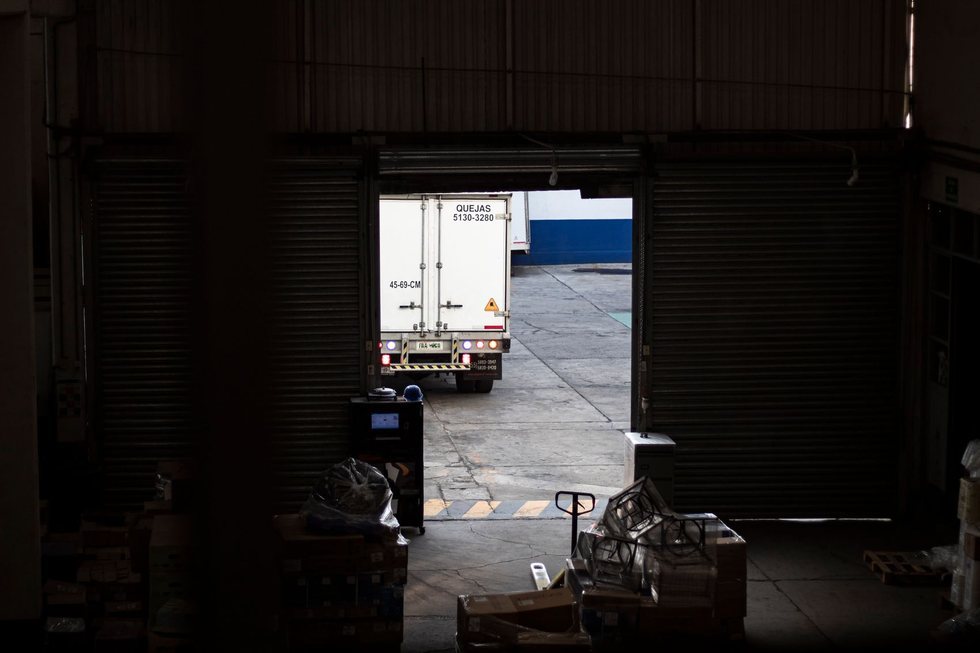
A cross-border truck can be loaded directly at the factory and drive to the consignee's warehouse or plant overseas, with no port handling or transshipment in between. Fewer handlings means less risk of impact damage, so the damage probability for electromechanical equipment and precision parts is lower. Road transport security controls are mature and the risk of cargo loss stays comparatively controllable.
3.3 Wide network coverage
Under the TIR Convention cross-border road network, coverage extends across Central Asia, Russia and most of Europe. Trucks depart on a rolling schedule, so you do not wait for a fixed sailing or a block-train plan, and you are not directly exposed to port congestion or tight ocean capacity.
Risk note: lanes towards Russia and Belarus are heavily affected by international sanctions compliance. Cargo moving in that direction needs a sanctions screen before booking — confirm that the commodity, HS code, vehicle, shipper, consignee and the paying and receiving banks are all clear of restricted lists, or the shipment may be held at the border for inspection.
3.4 Mature border clearance support
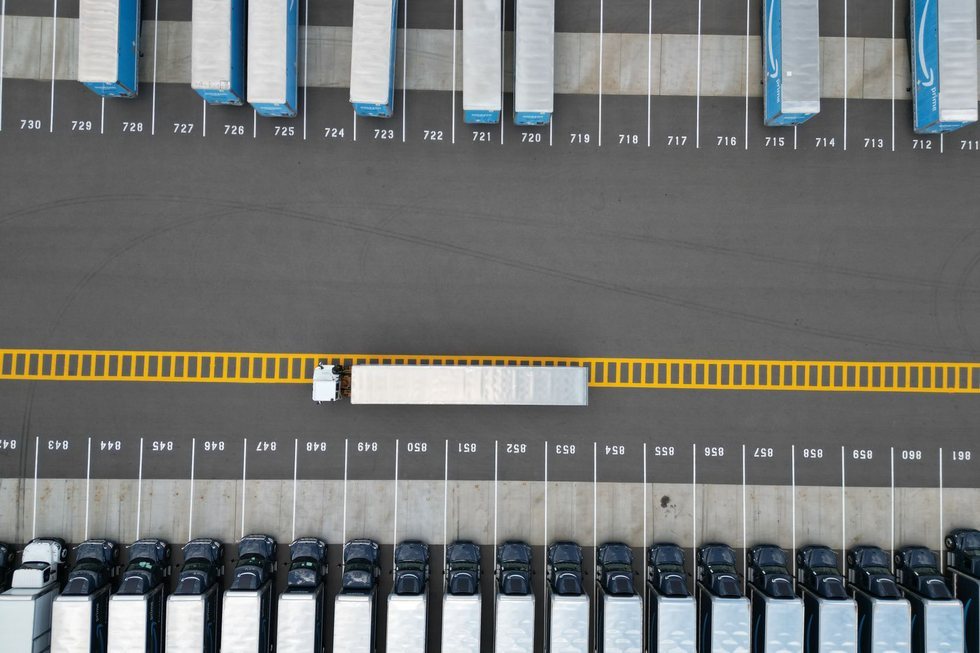
The TIR carnet simplifies multi-country transit declarations, and border crossing points are highly automated with fast release. With a professional logistics provider handling the supporting work, the time cargo spends waiting at the border is shorter and final delivery comes sooner.
3.5 Flexible solutions for different volumes
From a few hundred kilograms of sample spare parts to tens of tonnes of full-truck cargo, LTL consolidation and FTL let you match the mode to the load, covering both small urgent orders and large project shipments.
4. Limitations and Inherent Business Risks
Trucking is not a universal solution. Recognise the objective constraints before choosing it:
- Limited geographic reach. Only countries connected by road can be served; countries separated by sea cannot be trucked directly. The larger the volume, the more trucking's all-in cost rises above ocean freight, so high-volume low-value cargo does not suit trucking.
- Strict road and customs regulation. For battery-powered, battery-containing, magnetic and some chemical cargo, complete test reports are mandatory. We only pre-review the documents; border customs and the transit countries hold the final decision on whether transit is allowed, and 100% transit clearance cannot be guaranteed.
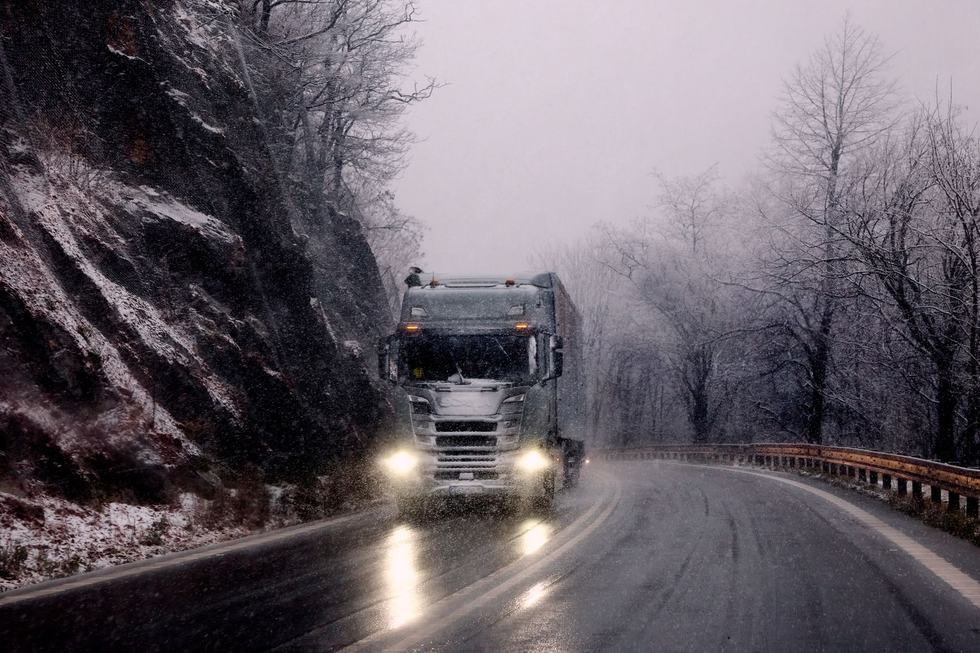
- Transit time is variable. Published transit times are driving and transit time under ideal road conditions only. They exclude origin export declaration, multi-country border inspection, destination customs clearance and final delivery. Border congestion, road restrictions, severe weather and customs inspection will extend the total.
- Inspection risk is the same as any mode. Customs inspection can be triggered at the exit crossing point, in each transit country and at the destination border, causing cargo to be held and extra cost.
- FTL carries a high cost threshold. Chartering a whole truck is comparatively expensive and suits large-volume urgent project cargo.
- Sanctions compliance risk on Russia / Belarus lanes. Cargo moving to Russia, Belarus and parts of Central Asia needs sanctions screening in advance. If any party — vehicle operator, shipper, consignee or paying bank — appears on a restricted list, the shipment may be held at the border.
5. Bloom Supply Chain TIR Road Freight Services
Bloom Supply Chain works in TIR cross-border trucking, brings together cross-border fleet resources and runs a trucking network towards Central Asia and Europe. For corporate clients we provide an end-to-end trucking solution that controls cargo security and delivery reliability.
5.1 A mature cross-border trucking lane network
We work closely with compliant cross-border fleets on lanes covering Central Asia, Russia, Europe and other core regions. Stable truck slots can be locked in and general cargo is supported. For special cargo such as battery-containing goods we provide document pre-review, with the final transit decision resting on border customs review. Our scope covers small spare parts, batch shipments and FTL project cargo.
5.2 End-to-end, full-chain trucking service
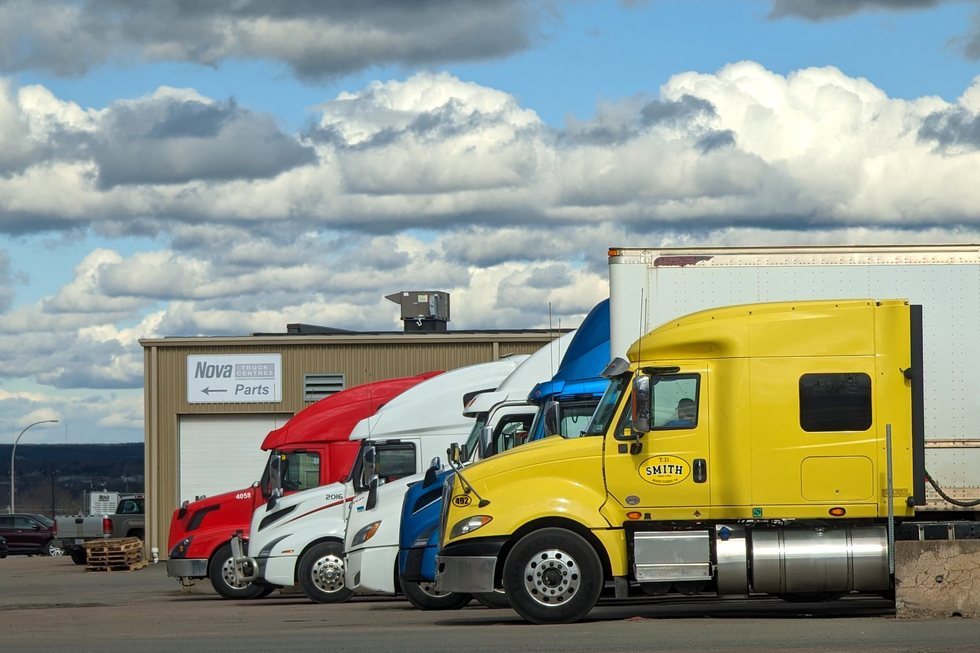
We offer door-to-door, border-to-door and door-to-border delivery models.
The service covers pickup at origin, documentation and TIR paperwork, export declaration, cross-border road transport, destination customs clearance coordination and final delivery.
Important note: warehousing, special shock-proof and moisture-proof reinforced packing, and dedicated declaration handling for battery-containing or special cargo are value-added services and are not included in the base quotation by default. High-value cargo can add cargo insurance, which applies to the trucking leg as well, to cover damage risk along the whole route.
5.3 Dedicated protection for special cargo (value-added service)
For precision instruments, fragile items, high-value goods and battery-containing products we provide dedicated shock-proof, moisture-proof and compression-resistant reinforced packing, strictly following cross-border road freight standards to reduce the risk of transport damage.
5.4 Transparent quotation and full-route visibility
Trucking quotations are itemised and transparent. Throughout the journey we synchronise milestone updates for pickup, loading, exit, transit, entry, customs clearance and delivery, and the project team responds quickly to any incident.
5.5 Tiered transit-time solutions
Economy LTL, standard LTL and expedited FTL let you balance transit time against project budget, covering both routine orders and urgent shipments.
Trucking suits urgent orders, project spare parts and small to medium cross-border consignments where both time and cost matter. Bloom Supply Chain will look at your cargo volume, cargo characteristics and delivery deadline, compare trucking against international air freight, FCL container shipping, LCL consolidation, OOG out-of-gauge containers and breakbulk heavy-lift shipping, and recommend the best fit.
Submit your cargo parameters and transit-time requirements to receive a free feasibility assessment and a tailored TIR trucking quotation.
Contact us