Project Overview
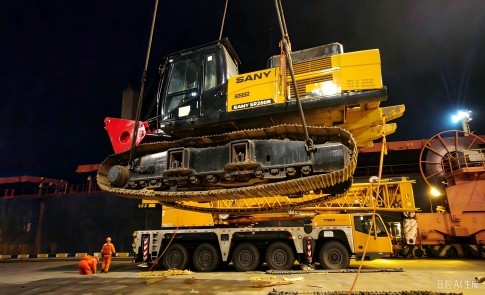
Demand for construction machinery in the Middle East infrastructure market remains strong. However, the export of used heavy construction equipment often confronts multiple difficulties: single pieces of cargo exceeding weight and size limits, the lifting-capacity constraints of ocean-going vessels, and used-equipment documentation information that is highly prone to error. If handled improperly, these can result in vessel schedule delays, heavy penalties, and obstructed customs clearance at the port of destination. This used rotary drilling rig export-to-UAE logistics case demonstrates the customization of break-bulk heavy-lift, oversized equipment transport solutions and the emergency handling of used-equipment documentation risks, helping construction machinery exporters avoid financial losses and schedule delays in the transport and customs clearance stages.
Project Background: Over-weight Shipment & Document Discrepancy Risks
The cargo in this project was one large used rotary drilling rig with a complete unit weight of 87,700 kg, shipped together with its accompanying spare parts to the UAE for local infrastructure construction. The client had strict delivery time requirements: the cargo had to be carried on a breakbulk vessel of a designated sailing schedule to reach Jebel Ali Port, so as to keep the overseas construction site on schedule.
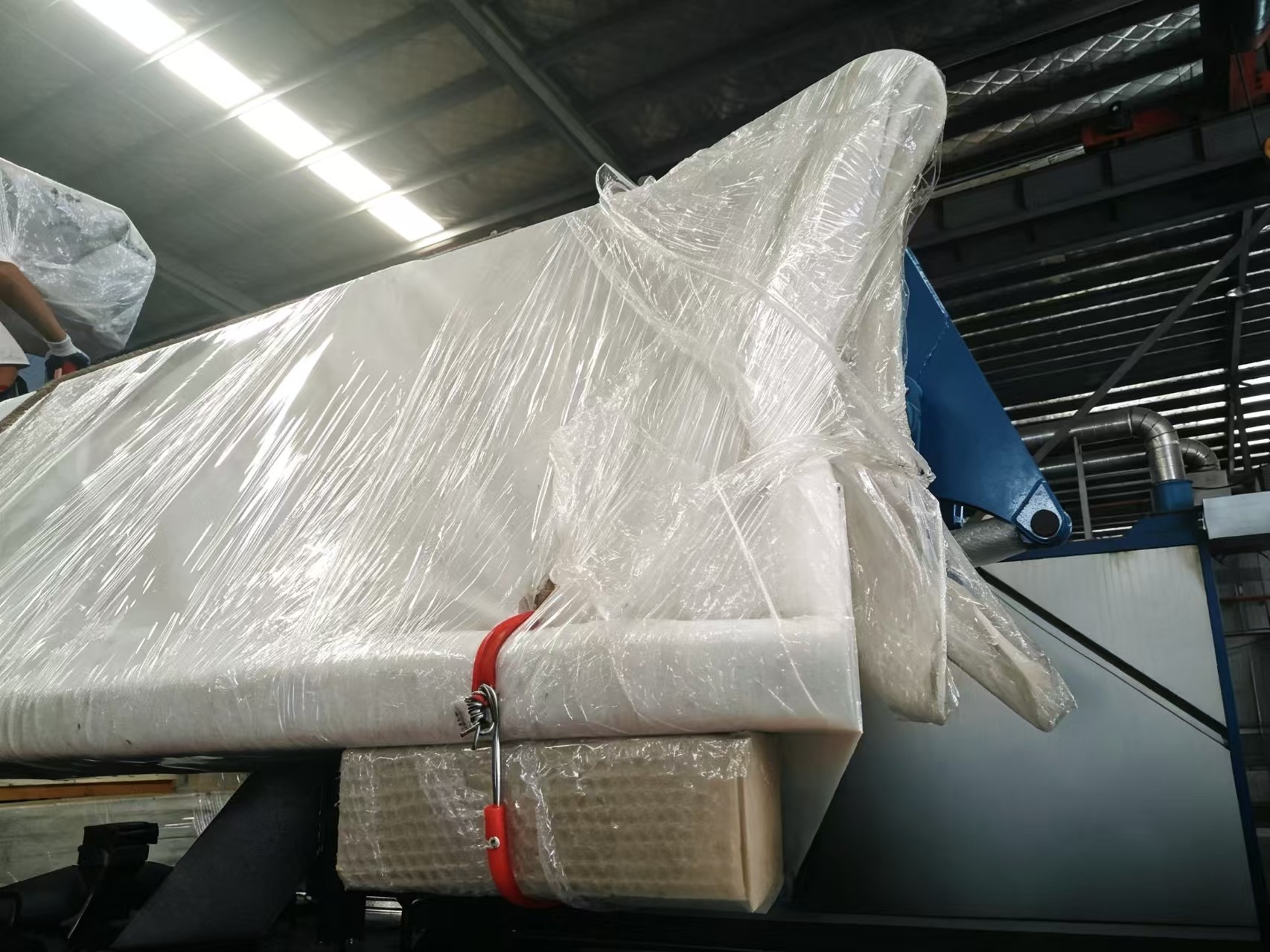
During the early booking stage of the project, breakbulk vessel space matching the delivery lead time was screened, and a vessel that satisfied the client's delivery milestones was identified; however, the marine crane carried on board that vessel had a single-piece lifting limit of only 50 tons. The complete unit at 87.7 tons far exceeded the single-lift load capacity of the vessel's crane. Abandoning the existing space to switch to a vessel with suitable lifting capacity, or changing the port of discharge, would directly postpone the vessel schedule and, under the terms of the contract, would give rise to a liquidated-damages penalty of approximately USD 20,000, while the client's overseas construction plan would also be disrupted.
After the cargo had been dismantled and dispatched and the vessel had departed on her voyage, a documentation problem that occurs frequently with used equipment came to light at the stage of preparing for customs clearance at the port of destination: the equipment VIN number recorded on the bill of lading did not match the VIN number on the nameplate actually affixed to the rig body. For used construction machinery, the VIN number is core verification information for customs clearance by UAE Customs; a mismatch between documents and cargo can easily stall clearance, give rise to port demurrage charges, and even lead to customs penalties. End-to-end logistics execution capability. With the two risks stacked on top of each other, very high demands were placed on the project's construction-machinery nine-phase delivery workflow.
Core Logistics Challenges for the Project
- The 87.7-ton complete unit exceeded the 50-ton single-piece lifting limit of the breakbulk vessel on the available sailing schedule; changing the sailing would incur a penalty of approximately USD 20,000 and schedule delays, and could not satisfy the client's rigid delivery deadline.
- Under EXW terms, it was necessary to go deep into the factory to dismantle the heavy used equipment and carry out lashing and securing, so as to safeguard the integrity and safety of the dismantled pieces in transit.
- Used-equipment nameplate information is complex, and a mismatch arose between the bill of lading VIN number and the physical unit while the vessel was already under way at sea; the bill of lading amendment had to be completed rapidly to prevent obstructed customs clearance at the port of destination and the incurrence of additional penalties and demurrage.
- Import regulations differ between mainland UAE and Jebel Ali Free Zone.
- The import of used construction equipment imposes varying requirements on the consignee's local trade qualification (DED license), equipment age and inspection documents.
Note: The equipment dismantling work must be performed on site by the factory's professional technicians; the logistics team is not responsible for modifying the equipment's own nameplate information, and the VIN number is subject to the information actually engraved on the original factory nameplate on the machine body.
Project Solutions: Pre-shipment Dismantling and At-sea B/L Correction
The project was divided into two major handling phases: Phase One solved, before shipment, the problem that the oversized overweight unit could not be loaded on board; Phase Two rapidly dealt with the incorrect bill of lading VIN information while the cargo was at sea, so as to secure smooth customs clearance at the port of destination.
Phase One: On-Site Handling at the Origin to Remove the Single-Piece Overweight Loading Risk
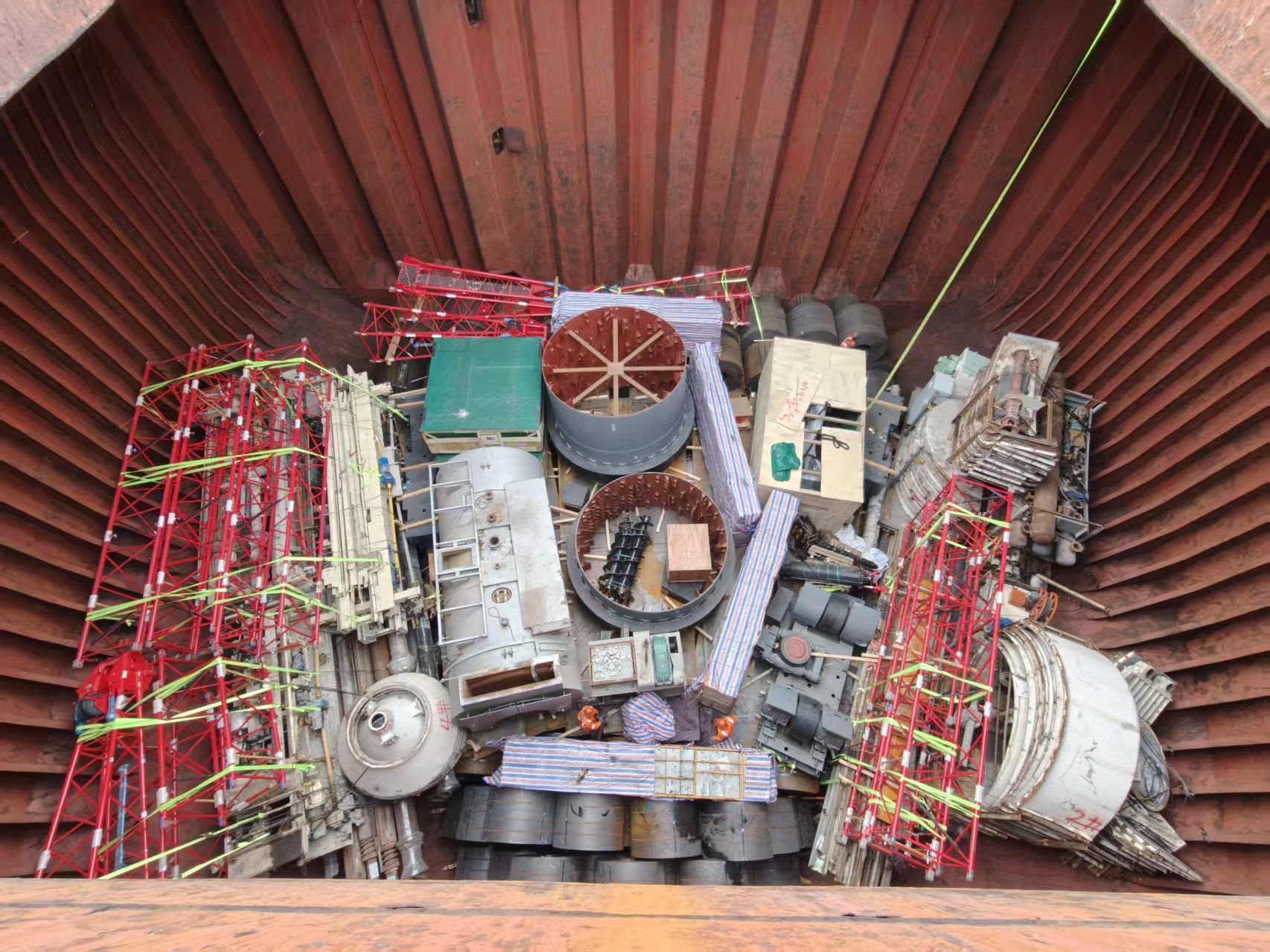
- Coordinated on-site professional dismantling of the complete unitThe logistics team moved into the Changsha EXW delivery factory and coordinated the factory's technicians to work on site, dismantling the 87.7-ton rotary drilling rig complete unit into a number of separate pieces each conforming to the vessel crane's 50-ton single-piece lifting limit, thereby resolving at the source the core obstacle that the overweight single piece could not be hoisted on board.
- Standardized lashing, securing and marking of the dismantled piecesEvery dismantled piece was professionally lashed and given reinforced protection, so as to avoid knocks and deformation during inland transshipment and the ocean voyage; each piece was affixed with a clear shipping mark, facilitating loading at the port and identification and sorting at the port of destination.High-value heavy-duty units are advised to arrange cargo marine insurance covering factory-to-site risks.
- Preparation of a detailed cargo manifestA fully itemized cargo manifest was compiled for all dismantled pieces and accompanying spare parts, stating the number of pieces, weights, specifications and the parent equipment of each item, providing an accurate basis for loading checks at the port, tally at the port of destination, and customs clearance.
- Organizing inland trailer transportation to the port of loadingHeavy-load inland transportation was coordinated to move all dismantled equipment pieces and spare parts safely from the Changsha factory to the port of loading at Shanghai, catching the scheduled breakbulk vessel sailing in good time and avoiding the USD 20,000 penalty and delivery delay that changing vessels would have entailed.
Phase Two: Emergency Amendment of the Incorrect Bill of Lading VIN Number While at Sea
After the cargo had already been loaded on board and dispatched, the customs clearance documents were re-checked upon receipt of the notice of imminent arrival, and it was found that the VIN number recorded on the bill of lading did not match the nameplate information of the physical equipment; the documentation error-correction contingency procedure was activated immediately.
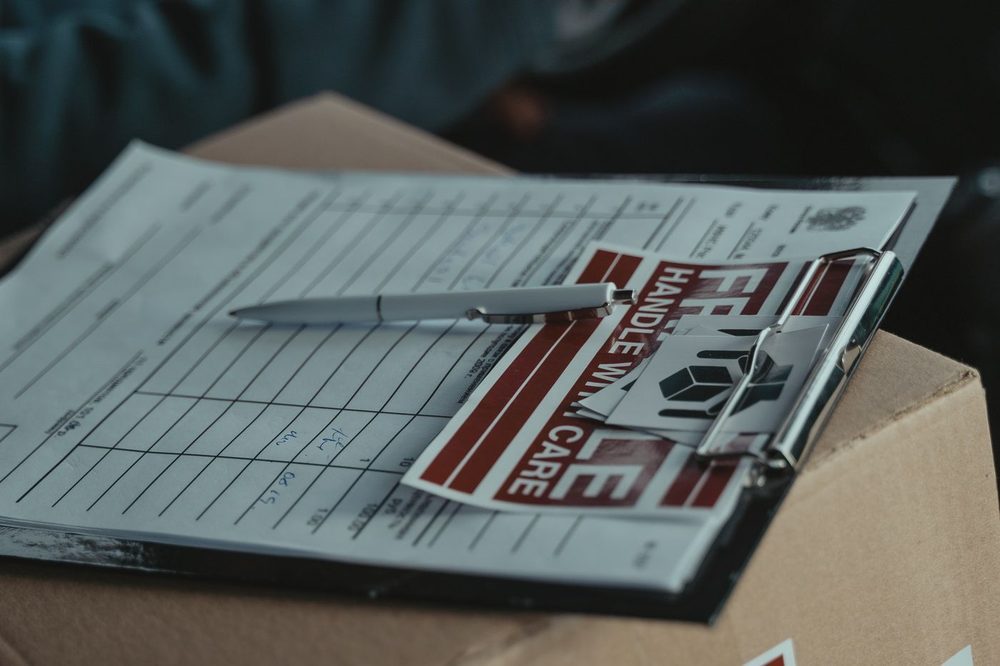
- Cross-checking the original information of the physical unitThe Changsha shipping factory was contacted at the first opportunity, photographs of the equipment nameplate were retrieved and checked repeatedly, the true and accurate VIN number of the rotary drilling rig was confirmed, and the root cause of the documentation error was pinned down.
- Filing a bill of lading amendment application with the shipping lineThe carrying shipping line was approached without delay, supporting materials corresponding to the true VIN number were submitted, the bill of lading amendment application was formally filed, and the line's internal approval and circulation process was followed up throughout.
- Completing the bill of lading amendment to achieve document–cargo consistencyThe bill of lading amendment was successfully completed, updating the VIN information on the bill of lading and ensuring that the bill of lading data fully matched the nameplate of the physical equipment, thereby eliminating at the source the risk of the cargo being detained or penalized by Customs at the port of destination on account of documentary discrepancies, and ensuring that the subsequent customs clearance process at Jebel Ali Port could proceed normally.
Important Note: The logistics service provider is only responsible for submitting the amendment application and supporting documents. The approval authority for bill-of-lading amendments rests entirely with the ocean carrier. All documentation for used equipment must be based solely on the physical nameplate information on the equipment unit. We offer pre-review of documents but cannot guarantee 100% customs release at the destination port. The final customs-clearance outcome is subject to UAE customs rules and the consignee's qualifications.
Risk-Control Lessons Learned
After the project had been completed and delivered, the project logistics team reviewed the two major risk points of this shipment and distilled them into risk-control essentials for used heavy construction machinery exports, incorporating them into the project logistics operating procedures for used construction equipment bound for the Middle East: verifying the vessel's lifting capacity in advance against overweight and oversize cargo; strengthening on-site involvement at the factory end under the EXW model; and applying multiple rounds of cross-verification to used-equipment nameplate information such as the VIN number and the engine number — pushing risk as far forward as possible into the quotation, planning and documentation stages, so as to reduce passive contingency handling after the cargo has sailed.
Project Results
- The rotary drilling rig and its spare parts were shipped on the originally scheduled sailing, successfully avoiding a vessel-change penalty of approximately USD 20,000 and safeguarding the delivery time of the client's overseas project;
- The bill of lading amendment resolved the mismatch between the VIN number on the documents and the physical unit, and the cargo completed customs clearance at Jebel Ali Port smoothly, with no demurrage and no customs penalties incurred;
- The dismantling and securing workmanship kept the dismantled pieces of the used equipment intact and undamaged throughout the entire transit, and the cargo was delivered complete to the construction site in the UAE.
“Exporting used oversized equipment involves many variables. Under the double pressure of the overweight loading problem and an error in the bill of lading information, your team implemented the dismantling plan efficiently and completed the bill of lading amendment quickly. You saved our sailing schedule and avoided a substantial loss — very professional.” — Client Project Manager
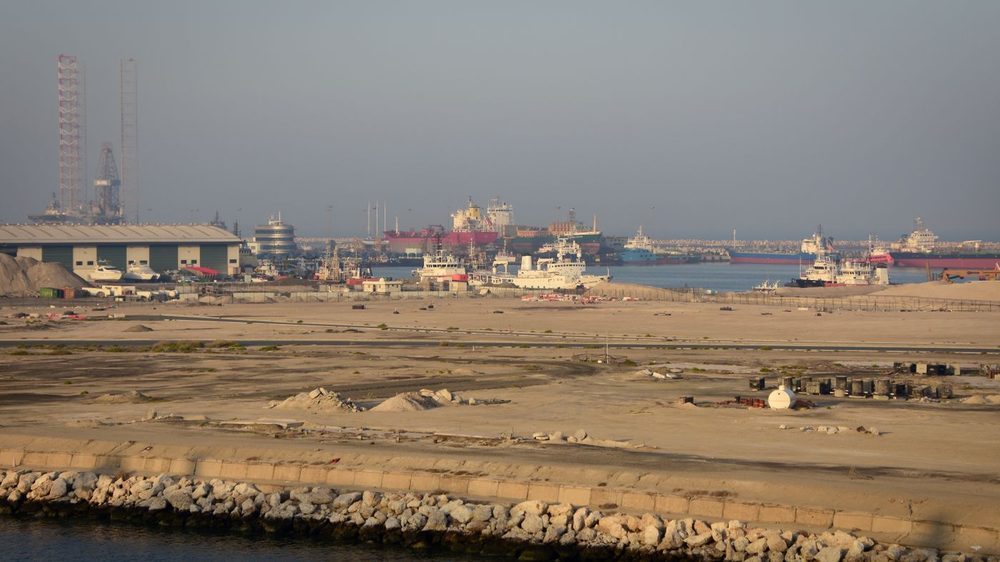
Used construction machinery exported to the Middle East market frequently encounters oversized and overweight cargo and error-prone equipment nameplate documentation. Thorough advance verification of the vessel's equipment parameters, deep on-site collaboration at the factory end, multiple rounds of cross-verification of nameplate information, combined with a mature bill of lading amendment contingency procedure, can effectively avoid penalties, demurrage and schedule losses.
Do You Have Similar Needs? One-Stop Solution.
If you are planning to export used or new construction machinery such as rotary drilling rigs or excavators to the Middle East region,
our project logistics team can provide a preliminary feasibility assessment and deliver a customized oversized
project logistics and compliance solution.