August Market Overview
In August 2026, global ocean shipping was squeezed by simultaneous pressure across multiple maritime chokepoints: transits through the Strait of Hormuz stayed low, the Suez–Red Sea corridor saw only partial recovery, and drought at the Panama Canal tightened available capacity. Container trade demand remained resilient, but exporters continued to grapple with risk surcharges, volatile sailing schedules and port congestion.
For project cargo shippers moving vehicles, construction machinery and power generation equipment, space on ro-ro vessels and multi-purpose heavy-lift breakbulk vessels stayed tight, and near-term newbuilding deliveries are unlikely to close the supply gap. Early booking and standby rerouting plans have become fundamental operating requirements for critical project cargo.
1.1 Multiple Layers of Disruption in Global Shipping
Strait of Hormuz
Weekly transits recovered somewhat month on month but remain far below the pre-conflict baseline; the sanctions list keeps expanding, adding compliance pressure on shipowners and shippers alike.
Red Sea – Suez Canal
Container and bulk carrier transits are recovering, but intermittent Houthi attacks have not stopped; war risk insurance costs stay high and sailing delays erode schedule reliability.
Panama Canal
Drought conditions are worsening. Daily transit quotas will be cut further from mid-September, creating a capacity constraint on trans-Pacific services.
Specialised Project Shipping
Driven by Chinese heavy equipment exports, spot rates for ro-ro and heavy-lift breakbulk tonnage remain firm.
Cost Pressure
War risk premiums, bunker surcharges and conflict emergency surcharges are stacking up, and quotation validity on Middle East routes has been sharply compressed.
Key Shipping Market Developments
2.1 Strait of Hormuz and the Red Sea – Suez Corridor
A 27 August briefing from Lloyd’s List Intelligence shows that during the week of 17–23 August, 108 vessels transited the Strait of Hormuz, up 27% week on week — but still only about 20% of the pre-crisis level. Progress in US–Iran talks has been limited, and the ever-expanding sanctions blacklist requires tighter vessel screening before project cargo is shipped.
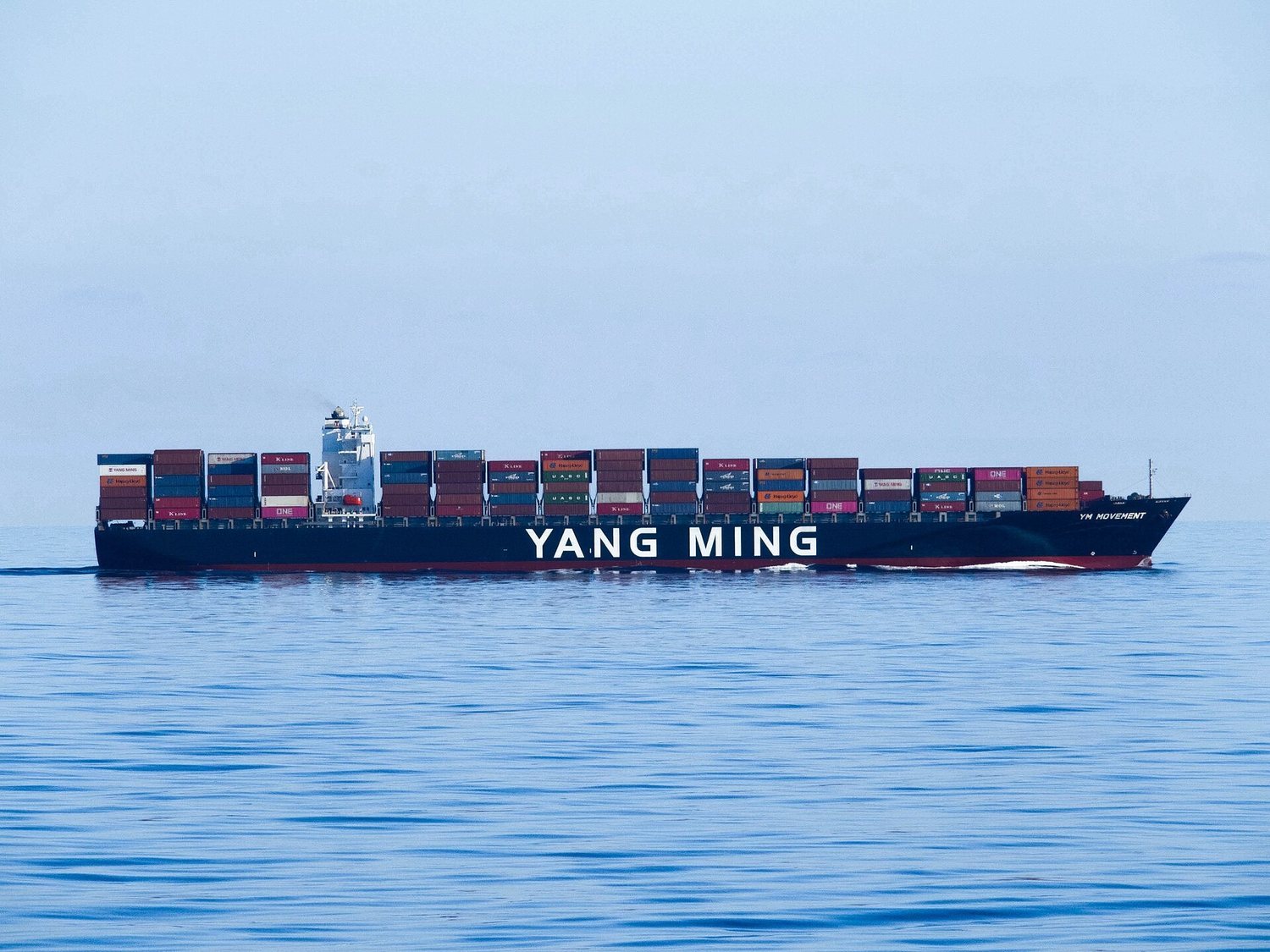
For the four weeks to 23 August, container and bulk carrier transits through the Suez Canal posted a double-digit month-on-month increase, yet remain some 40% below pre-Houthi-attack levels. Vessels flying Saudi-related flags continue to be the primary attack target; war risk surcharges for containers and breakbulk in the Red Sea hold at 0.70–0.80% of cargo value. Direct calls to Gulf services carry temporary diversion risk; routing Asia–Gulf cargo around the Cape of Good Hope adds 7–10 days of sailing time.
2.2 Panama Canal: Drought Cuts Capacity
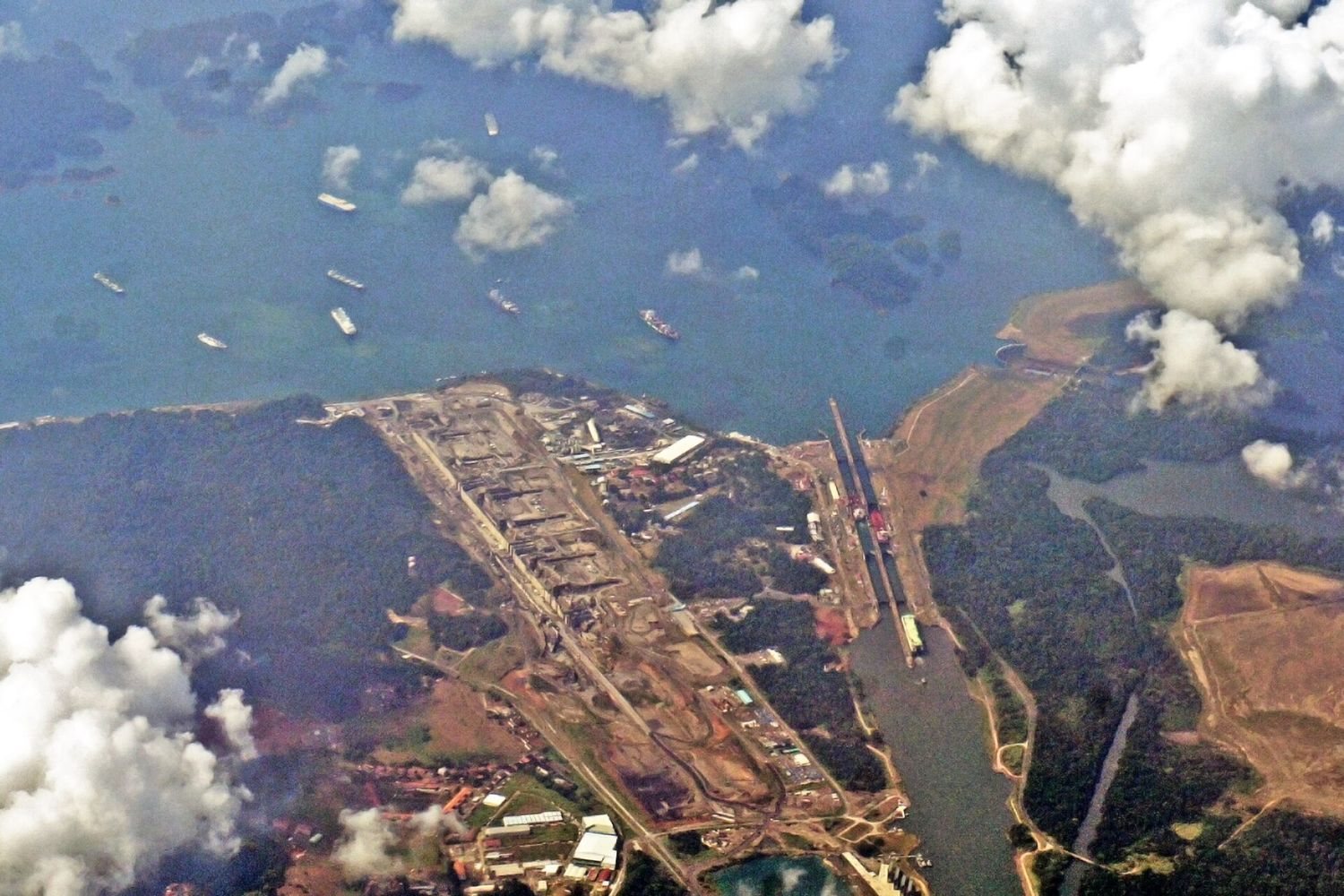
With rainfall in the watershed far below the historical average, the Panama Canal Authority has formally tightened transit rules: from 15 September the daily transit quota drops to 32 vessels, while draft limits in the Neopanamax locks are tightened further. Average vessel waiting time in August was 8–10 days. Trans-Pacific carriers are cutting actual load factors and the cost of auctioned transit slots is rising, leaving project cargo routed via US West and East Coast ports exposed to cost and schedule uncertainty.
- 32Daily transit quota from 15 Sep
- 8–10Days average waiting time in August
2.3 Ro-Ro, Breakbulk and Heavy-Lift Project Cargo Market
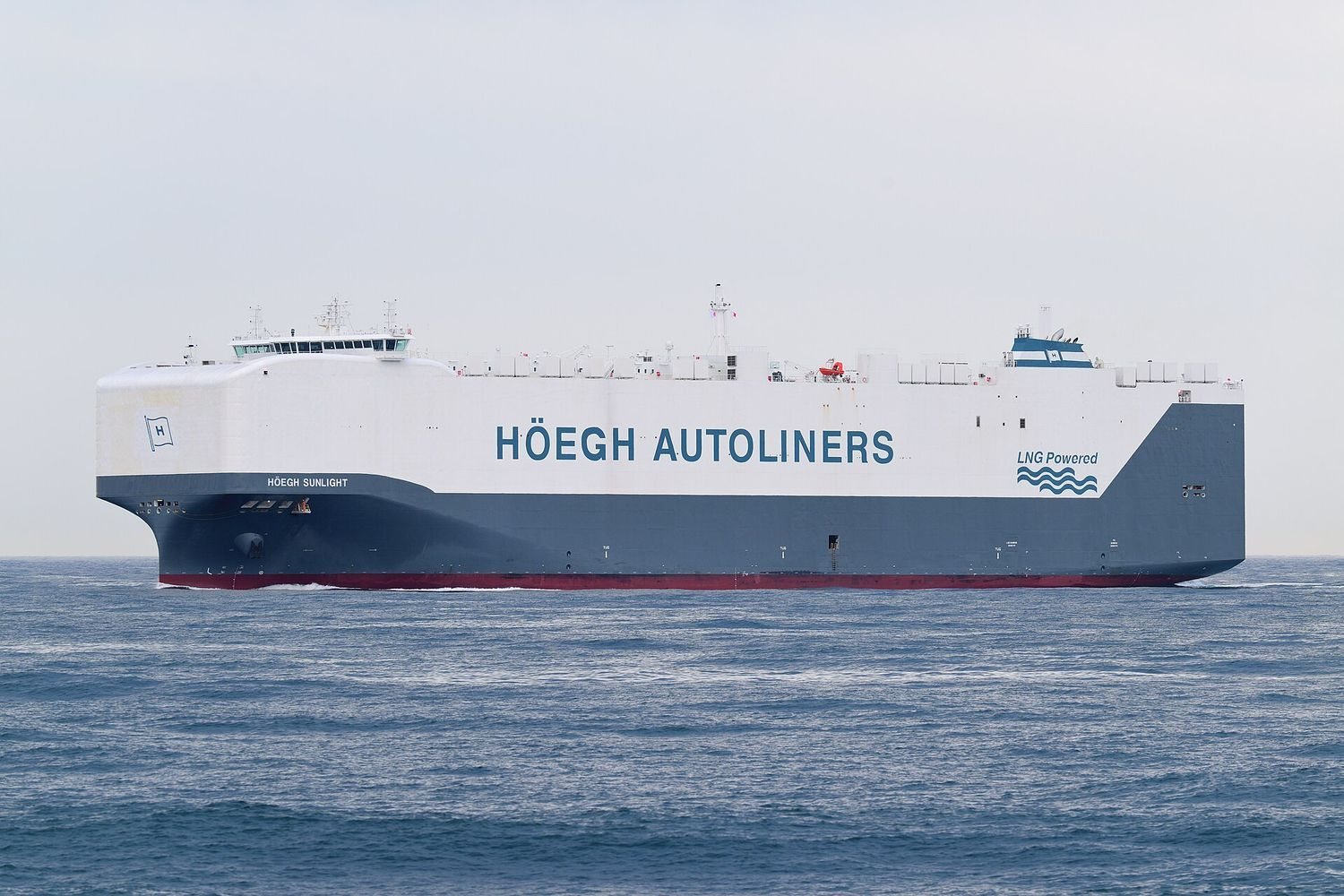
August exports of Chinese buses, construction machinery and power generation equipment drove strong demand for ro-ro and heavy-lift tonnage. Ro-ro spot space premiums on Middle East and Africa routes rose 12–22% against the Q2 benchmark. Although Höegh Autoliners added orders for large new ro-ro vessels in late August, the earliest new tonnage only enters service in 2029 and cannot ease near-term space tightness. Bookings made close to loading carry a high spot premium.
The global heavy-lift breakbulk fleet is ageing and 2026 newbuilding deliveries are limited. Clarksons Research advises that oversized, high-value equipment should be space-booked 6–8 weeks ahead of the planned loading date.
Trade Lane Impact Analysis
Asia – Middle East & Africa Lanes
Drewry data for 27 August: the Shanghai–Persian Gulf container spot rate climbed to USD 6,139/TEU. Stacked surcharges have shortened quotation validity.
Competition for ro-ro and breakbulk project cargo space is intense; berths at several Middle East and African destination ports suffer intermittent congestion, so heavy-lift discharge and lifting capability at the port must be confirmed before any out-of-gauge unit is shipped.
Main business risksShort quotation validity, last-minute changes to port rotation, insufficient heavy-lift handling resources at ports.
Asia – Europe Lanes
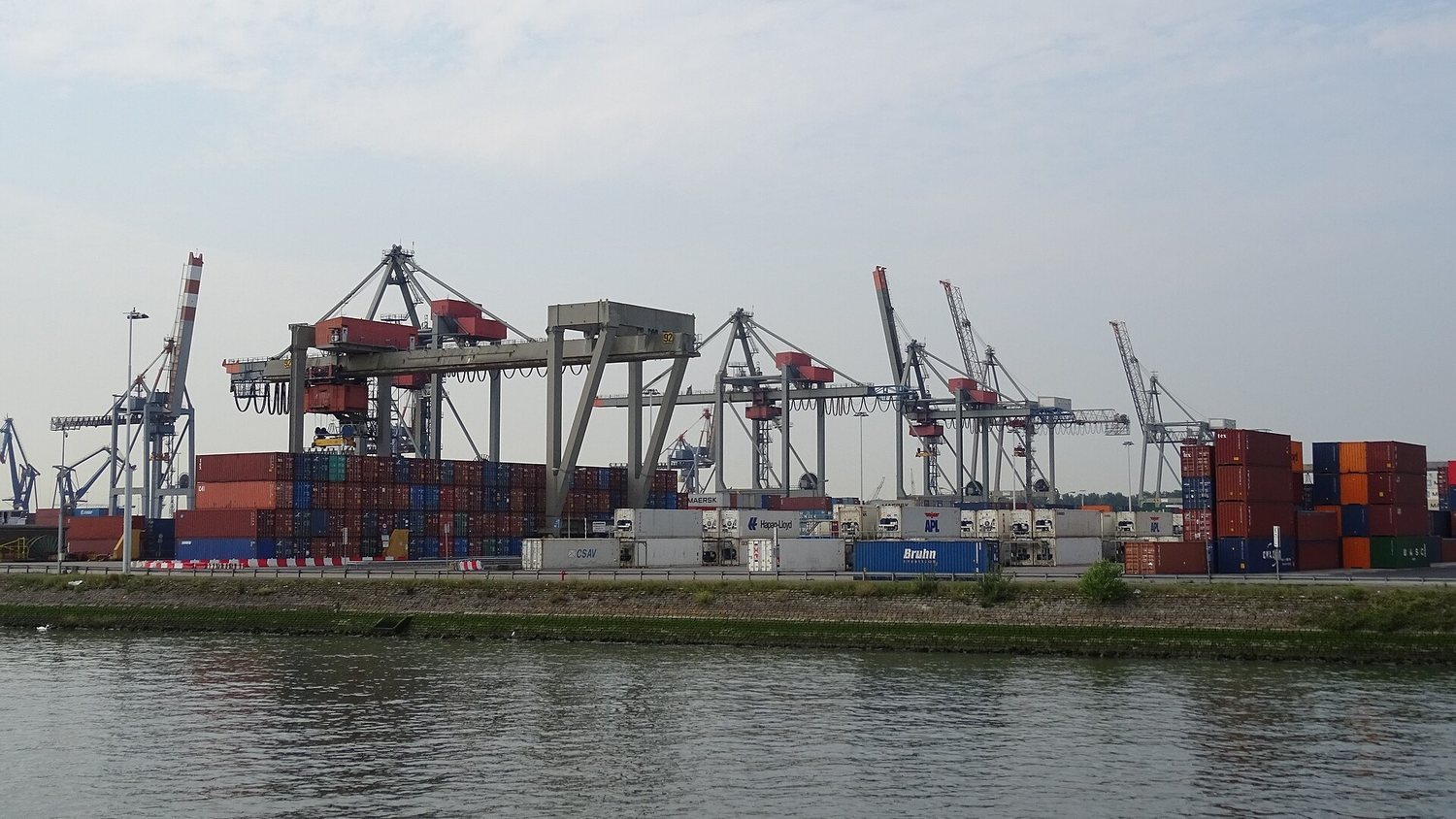
Asia–North Europe container spot rates eased slightly month on month; even via Suez, average transit delays still reach 36–48 hours. Inland bottlenecks at major European hubs including Rotterdam, Antwerp and Hamburg are feeding back into the seaports. Even when the ocean leg runs on time, out-of-gauge project cargo can still face discharge and inland transfer delays. Most carriers retain dual-routing optional clauses in their contracts.
Trans-Pacific Lanes
Front-loaded imports ahead of the US autumn tariff policy review pushed trans-Pacific container spot rates upward, while Panama Canal draft and quota restrictions are forcing vessels to reduce cargo intake. Terminal utilisation on the US West and East Coasts is high; heavy-lift resources at the terminal must be confirmed before project cargo arrives, to avoid berth allocation issues.
Intra-Asia Shipping
Typhoons in the Northwest Pacific caused intermittent stoppages at major Chinese export ports in August. Transhipment yards in Shanghai, Ningbo, Singapore and Port Klang remain congested. Berth utilisation at ro-ro and breakbulk terminals is high. Build buffers into project cargo loading plans and avoid tight cut-off windows.
Actionable Supply Chain Recommendations for Exporters
4.1 Short-Term Execution Priorities
-
Build lead-time buffers: allow 7–14 days of buffer for cargo moving to the Middle East and Africa, to absorb chokepoint diversions and delay risk.
-
Dual-routing standby: for critical project cargo, assess both the Suez – Red Sea option and the Cape of Good Hope option in advance.
-
Secure space early: for ro-ro and heavy-lift breakbulk vessels, lock in space 6–8 weeks before loading, and confirm both vessel space and heavy-lift resources at the port at the same time.
-
Control quotation cycles: accept that quotation validity is shortening, and focus costing review on the multiple surcharges for war risk, bunkers and conflict emergency.
-
Vessel compliance screening: complete background checks on the vessel before any Middle East-bound cargo is shipped, to avoid sanctions exposure.
-
Complete documentation up front: destination-country certification and compliance documents should be fully prepared before sailing, reducing time lost to demurrage and port stays on arrival.
4.2 Medium- to Long-Term Outlook
Middle East geopolitical friction will keep shaping Q4 freight rates and routing choices; the capacity constraints from the Panama Canal drought run through to year end. Constrained by newbuilding delivery cycles, ro-ro and heavy-lift capacity is unlikely to loosen materially before 2028–2029.
Supply chain resilience comes down to a diversified rerouting strategy, longer planned lead times, early locking of vessel and terminal resources, and real-time information synchronisation between shippers and logistics providers.
In an environment of uncertainty across multiple maritime chokepoints, successful delivery of project cargo is not about chasing the lowest spot rate, but about risk identification, advance contingency planning and end-to-end visibility.
Key Indicators at a Glance
| Indicator | August 2026 latest data | Period-on-period change |
|---|---|---|
| Weekly transits of the Strait of Hormuz (17–23 Aug) | 108 vessels | +27% week on week |
| Red Sea war risk surcharge (container / breakbulk) | 0.70–0.80% of cargo value | +0.05–0.10% |
| Shanghai – Persian Gulf spot rate | USD 6,139 / TEU | +7.1% month on month |
| Recommended booking lead time for heavy-lift breakbulk | 6–8 weeks before loading | Unchanged |
| Panama Canal daily transit quota from 15 Sep | 32 vessels | Down 3 vessels vs. August baseline |
| Ro-ro space premium on Middle East lanes | +12–22% vs. Q2 | Unchanged |
Consolidated data sources: Lloyd’s List Intelligence, Clarksons Research, Drewry Maritime Research, Panama Canal Authority, Höegh Autoliners
Article imagery credit: Wikimedia Commons contributors.
Closing Remarks
Our global operations team tracks developments at every maritime chokepoint in real time. For route contingency assessment, capacity planning advice or a tailored project logistics solution, please contact your account manager.
Shipping project cargo through a disrupted market?
Our global operations desk can assess your routing options, plan capacity for ro-ro and heavy-lift tonnage, and build a tailored project logistics solution around your delivery window.
This report is compiled on the basis of publicly available information and industry analysis as of August 2026. It is provided for reference only and does not constitute commercial or investment advice. The situation is evolving rapidly; all judgements should be based on the latest available intelligence.