Cargo Insurance & Risk Cover
Table of Contents
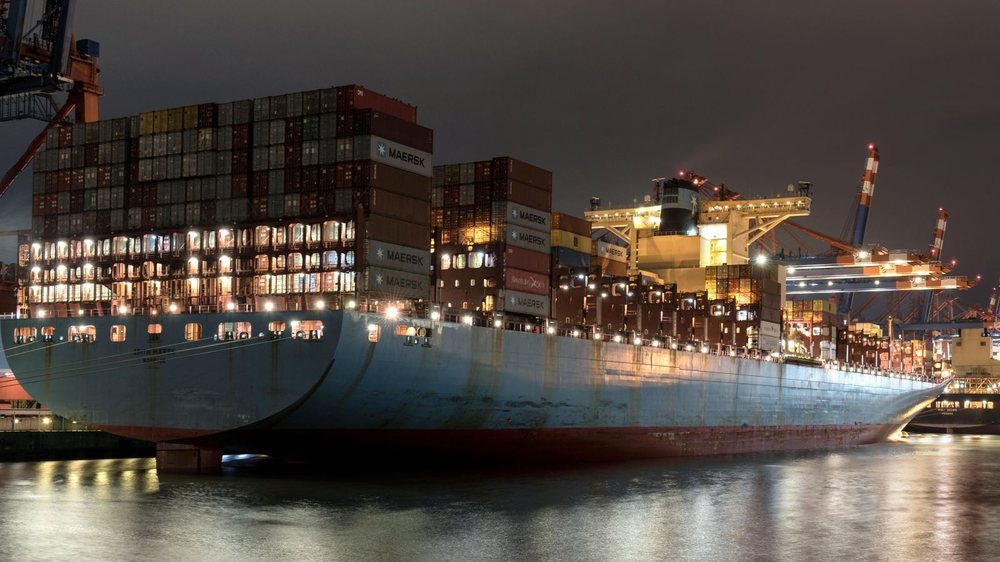
Cross-border cargo leaves the factory and then passes through inland transport, port handling, ocean voyage and transshipment before it is signed for at the destination port, and every stage carries uncertainty: typhoons and heavy rain, vessel collision, handling impact, theft and shortage, container water ingress. Many export clients assume that the liability built into their forwarder or shipping line already covers cargo damage. In practice the carrier's compensation limit is very low, nowhere near enough to cover the loss on high-value cargo such as construction machinery, complete plant, PV modules or energy storage systems. International cargo insurance is a key line of defence for export receivables and cash-flow security.
1. What Is International Cargo Insurance?
Cargo insurance is a property insurance policy in which the goods in transit are the insured subject matter. It covers loss of or damage to the cargo during the insured transit caused by perils named in the policy, and the insurer pays compensation as agreed. It is fundamentally different from freight forwarder's liability insurance and carrier's liability insurance:
- Freight forwarder's liability insurance: covers the logistics provider's own liability for its own negligence;
- Cargo insurance: protects the cargo owner's goods directly. It does not distinguish between liable parties, and a claim can be opened as long as the loss falls within the insured perils. It is also one of the documents regularly required in letter-of-credit settlement.
Coverage can be matched to different modes of transport: ocean freight, air freight, international trucking, China-Europe Railway Express rail transport and multimodal transport each have a corresponding cover, suited to break-bulk vessels, OOG out-of-gauge cargo, standard containers, LCL cargo, engineering equipment and other export cargo types.
2. How to Choose Among the Mainstream Marine Cargo Covers (CIC China Clauses)
- 1. FPA (Free from Particular Average): the narrowest cover. It mainly pays for total loss and constructive total loss caused by natural disasters or accidents, plus any partial loss following an accident to the carrying conveyance. It suits low-value, wear-resistant bulk raw materials that are not easily damaged by moisture; it is not suitable for precision equipment or fragile packaging.
- 2. WPA (With Particular Average): includes the full FPA liability and additionally covers partial loss caused by natural disasters, such as damage from wave immersion or seawater ingress. It is the basic cover most commonly used for exports of engineering equipment, steel and steel structures.
- 3. AR (All Risks): the first choice for high-value export cargo. It covers FPA and WPA plus general external risks: impact, crushing, rain damage, leakage, shortage, theft and similar perils.
Note: All Risks does not cover every situation. Inherent vice, defective packing, natural loss of the goods, war and strikes, and delay losses are outside the basic cover; war risk and strikes, riots and civil commotion (SRCC) must be added as separate additional risks.
Also note: the ICC clauses (Institute Cargo Clauses A/B/C, London market) are the clauses overseas buyers know best. ICC A corresponds to All Risks, ICC B is close to WPA and ICC C is close to FPA. If a letter of credit specifies ICC clauses, confirm this before the policy is placed.
3. Core Underwriting Rules and How the Insured Amount Is Calculated

3.1 How is the insured amount set? (international practice)
The insured amount is normally set at 110% of the CIF/CIP value of the goods. The additional 10% covers the buyer's expected profit and incidental charges, and it is the standard requirement under UCP600 letters of credit. Unless the insurer agrees otherwise, a mark-up above 30% is not usually recommended.
3.2 Incoterms reminder
Under CIF/CIP the seller arranges the insurance; under FOB, CFR and EXW the insurance obligation rests with the buyer by default. Many sellers overlook the point at which risk transfers, which is how disputes arise between the two sides once cargo damage occurs.
3.3 Timing of cover
Cover must be in place before the cargo departs. Arranging insurance after the vessel has sailed or the truck has left makes a claim rejection highly likely.
3.4 Declaring special cargo types
Oversized project pieces, used construction machinery and OOG cargo must be declared in advance, together with the cargo type, equipment nameplate details and the packing and securing plan. Some older equipment requires a pre-shipment inspection report, and cover can only be bound after the insurer's assessment.
4. Claims Pitfalls: The Most Common Grounds for Rejection
- Signing a clean delivery receipt: if damage, water ingress or shortage is found at pick-up, always note the cargo damage on the receipt and photograph the evidence. Signing a clean receipt makes a later claim extremely difficult.
- Preserving the evidence: photograph everything immediately (outer packaging, damaged area, shipping marks, container seal and container condition), keep the bill of lading, invoice, packing list, insurance policy, survey report and tally sheet, notify the insurer promptly and strictly observe the notice period stated in the policy.

- Compliant packing: export packing must be suitable for long-distance cross-border transport. Damage caused by inherently inadequate packing or insufficient securing is an excluded loss, and the insurer is entitled to reject the claim. For oversized equipment and uncrated engineering vehicles, the securing plan directly affects both underwriting and the claim outcome.
- Knowing the exclusions: quality defects in the goods themselves, natural rusting, normal loss, market depreciation and indirect loss caused by transport delay are not covered by cargo insurance.
5. Bloom Supply Chain Cargo Insurance Support Services
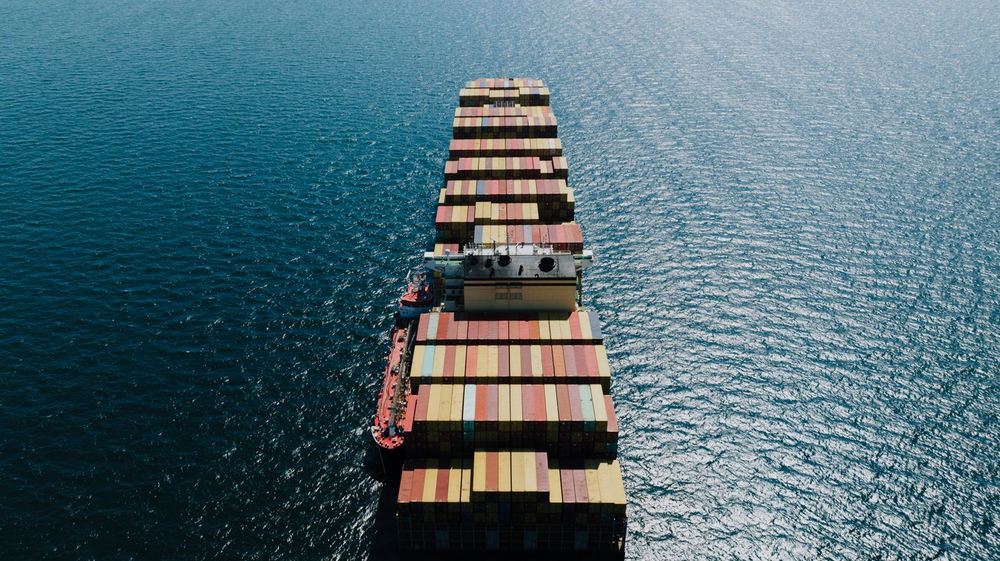
Drawing on our export experience with engineering equipment, vehicles, energy-storage containers and project cargo, Bloom Supply Chain provides a one-stop insurance placement solution:
- Matching the right clauses (CIC / ICC) to ocean, rail, trucking, air and multimodal shipments
- Pre-underwriting review for OOG cargo, used construction machinery, uncrated equipment and break-bulk project cargo
- Checking letter-of-credit insurance document requirements to avoid discrepancies
- After a loss, coordinating the surveyor, assembling the full claim file and following the claim through
Logistics is the channel through which cross-border delivery happens; transport insurance is the safety cushion that absorbs the risk. Only by matching the right cover, insuring for full value and keeping documents in order can you prevent a single cargo loss from wiping out the profit on an entire order. If you export high-value equipment or project cargo, talk to us about your shipping plan and insurance structure.
6. Request a Cargo Insurance Consultation
Send us your cargo type, cargo value, mode of transport and trade terms, and receive a free insurance assessment and cargo insurance quotation.
Contact us