Table of Contents
Tianjin Port Overview
Tianjin Port is located on the western shore of the Bohai Bay. It is a leading comprehensive deep-water seaport in scale in northern China and one of the most important sea gateways for foreign-trade cargo across the vast regions of North and Northwest China. Backed by a long-established and mature port operating system, it connects China's extensive hinterland with all major ports worldwide, and is the preferred choice of many overseas buyers and engineering trade customers when arranging shipments of heavy lifts, equipment, breakbulk cargo and containers.
Compared with other Chinese ports, Tianjin Port is better suited to orders whose cargo is located in the Beijing-Tianjin-Hebei area and the inland northwest, as well as to heavy-lift project cargo; the neighbouring Port of Qingdao serves more southern cargo sources and container express-line demand, so you can choose according to your factory location and cargo type.
1. Location and Route Advantages
Tianjin Port sits close to the Beijing-Tianjin-Hebei industrial cluster, with a dense road and rail network. It can efficiently handle cargo from North China and the inland northwest, and also supports sea-rail combined transport and trailer drayage multimodal solutions.
The port operates rich and stable liner services covering Southeast Asia, the Middle East, Europe, the Red Sea, the Mediterranean, the Americas and other regions, with a wide choice of sailing dates and ample space supply. Typical transit times for reference: about 5–7 days to Singapore, about 14–18 days to Jebel Ali, about 28–35 days to Hamburg, and about 18–24 days to Los Angeles (transit times vary with carriers and route adjustments and are for planning reference only, not guaranteed schedules).

For overseas buyers, multiple routes mean more flexible arrival scheduling, making it easier to match the pace of their own project construction and inventory stocking. The port's overall berthing order is stable; only during peak shipping seasons and around domestic public holidays may there be brief berth queues, and we lock in space in advance to reduce the risk of delay.
2. Cargo Types Accepted and Matching Transport Modes
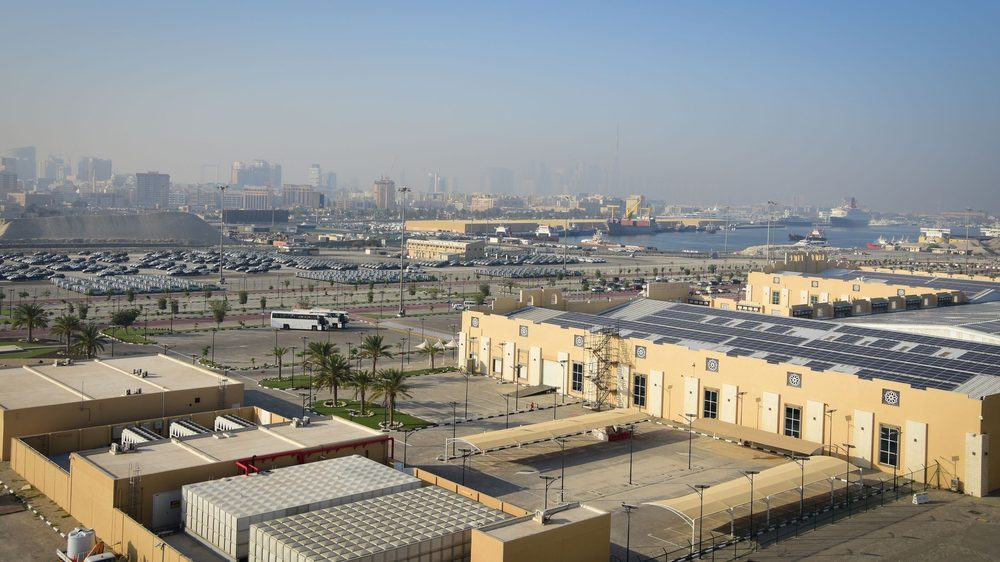
Tianjin Port handles a wide range of cargo categories and accommodates many kinds of foreign-trade goods: general cargo in standard containers, construction machinery and equipment, steel structure components, vehicles, energy-storage containers, out-of-gauge heavy lifts, steel products, project breakbulk cargo and more.
The corresponding transport modes are complete and all of them can be operated.
| Transport Mode | Suitable Cargo |
|---|---|
| FCL (full container load) | Regular containerised cargo in batches — see FCL full container load shipping |
| LCL (less than container load) | Small and medium batches of multi-SKU cargo — see LCL less than container load shipping |
| Breakbulk and bulk cargo | Project breakbulk and piece cargo in batches — see breakbulk heavy-lift vessels |
| OOG out-of-gauge containers | Over-length, over-width and over-height equipment — see OOG out-of-gauge special equipment |
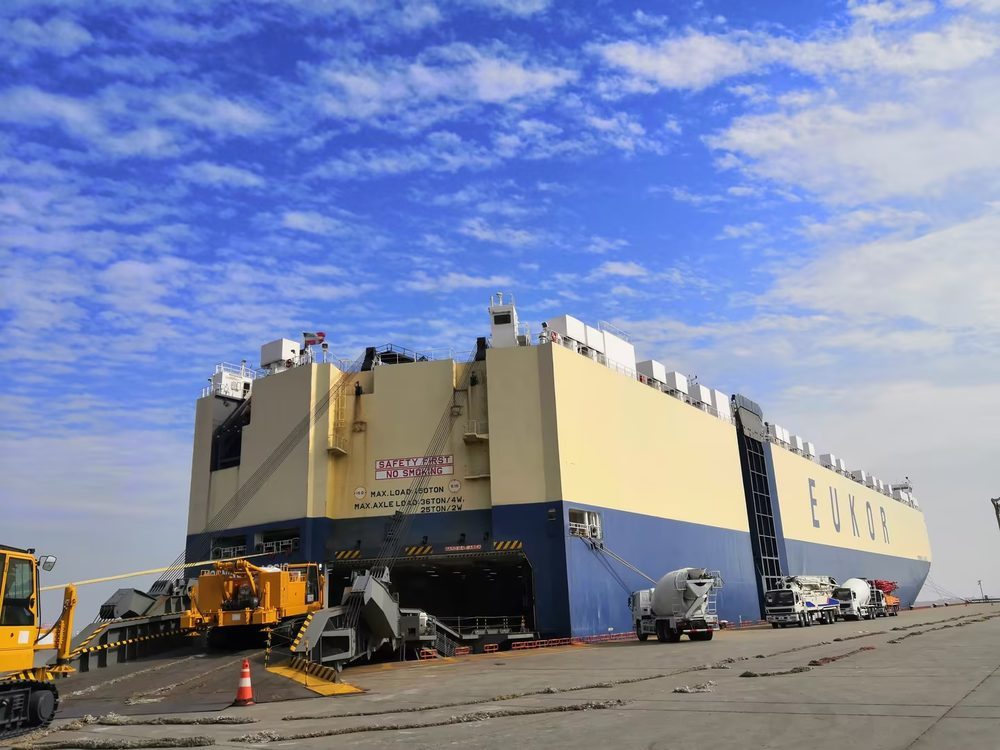
| Ro-Ro transport | Rolling cargo such as engineering vehicles and construction machinery — see Ro-Ro vessels |
The port area has mature Ro-Ro operation berths suited to rolling cargo such as engineering vehicles and construction machinery, supports short-term on-site vehicle storage, and follows standardised dedicated procedures; it is especially suitable for overseas engineering orders and large equipment procurement projects.
3. Terminal Facilities and Specialised Handling Capability
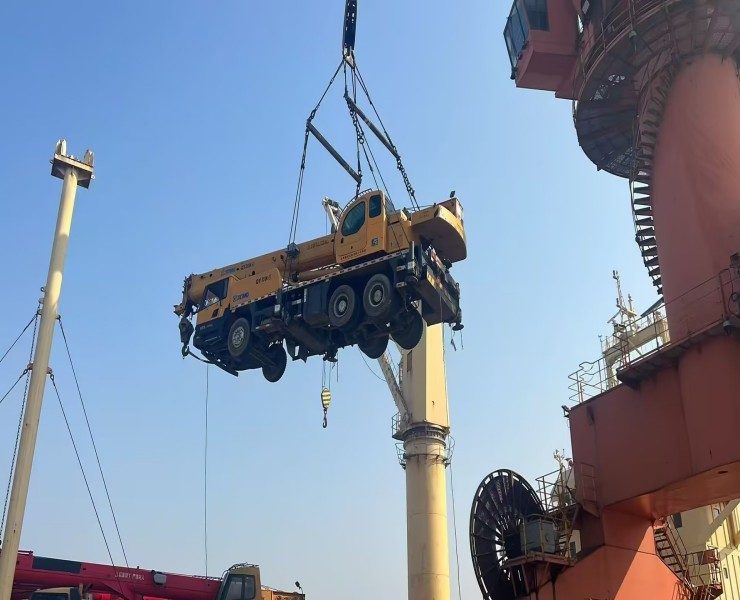
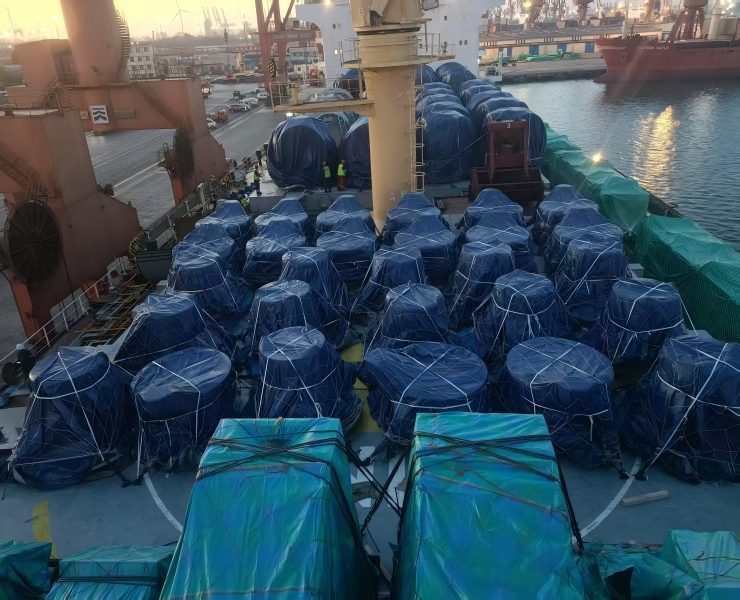
The port area is equipped with large ship-to-shore cranes, heavy-lift berths and heavy-cargo handling yards, and has mature capability for loading, discharging and storing out-of-gauge and over-weight cargo; it can take on high-difficulty project cargo such as large engineering components and heavy equipment.
It also provides bonded yards and supervised warehouses that support value-added operations such as bonded storage, transhipment and re-stuffing, making it easier for overseas customers to coordinate partial shipments and cargo consolidation plans. These can be combined with warehousing and export packaging solutions.
For port surcharges such as heavy-lift operations and special yard usage, we provide a clear itemised estimate before booking, so as to avoid unexpected hidden costs as far as possible.
4. Practical Points for Foreign-Trade Customers
- Oversized and out-of-gauge cargo: the terminal handling window, weight limits and lifting plan must be confirmed in advance, with sufficient scheduling buffer reserved to avoid missing the vessel.
- Dangerous goods: declaration and hazard-label posting must be completed strictly in accordance with the IMDG Code, in coordination with the port inspection process, and documents must be reviewed in advance. See our dangerous goods export compliance guide.
- Seasonal note: in winter the Bohai Bay occasionally sees cold waves and ice conditions that briefly affect operations; for project cargo we recommend planning reserve time in advance.
- Inspection and document standards: information in clearance documents such as the bill of lading, packing list, invoice and certificate of origin must be consistent. Tianjin Port's inspection process is well regulated; if cargo is selected for inspection, we coordinate and follow up on site throughout to reduce the impact on the sailing schedule.
5. Bloom Supply Chain Supporting Service Solutions
As a logistics service provider with NVOCC qualification, we can provide overseas customers with a one-stop cross-border solution covering factory pickup, warehousing and securing, in-port operations, space booking and customs declaration, right through to customs clearance and delivery at the destination port.
For large engineering components, OOG cargo, Ro-Ro vehicles and project breakbulk cargo, we assess Tianjin Port's terminal conditions in advance, tailor the handling and transport plan, and follow the cargo status throughout the journey to ensure your project materials arrive at the destination on time and safely. For high-value heavy lifts, we recommend arranging cargo insurance at the same time.
Get a Tianjin Port Logistics Plan
Submit your cargo type, place of origin, destination port and preferred transport mode to receive a free feasibility assessment and quotation for shipping from Tianjin Port.