Saudi Arabia 400 MW Solar Project: Resolving Certification Compliance Risk and Avoiding Port Storage Losses on Large-Scale Energy Project Cargo

Saudi Arabia 400 MW Solar Project: Resolving Certification Compliance Risk and Avoiding Port Storage Losses on Large-Scale Energy Project Cargo

Summary

Discover how a 400 MW Saudi Arabia solar project overcame critical SASO certification compliance risks, preventing port storage losses and schedule delays through expert logistics coordination.
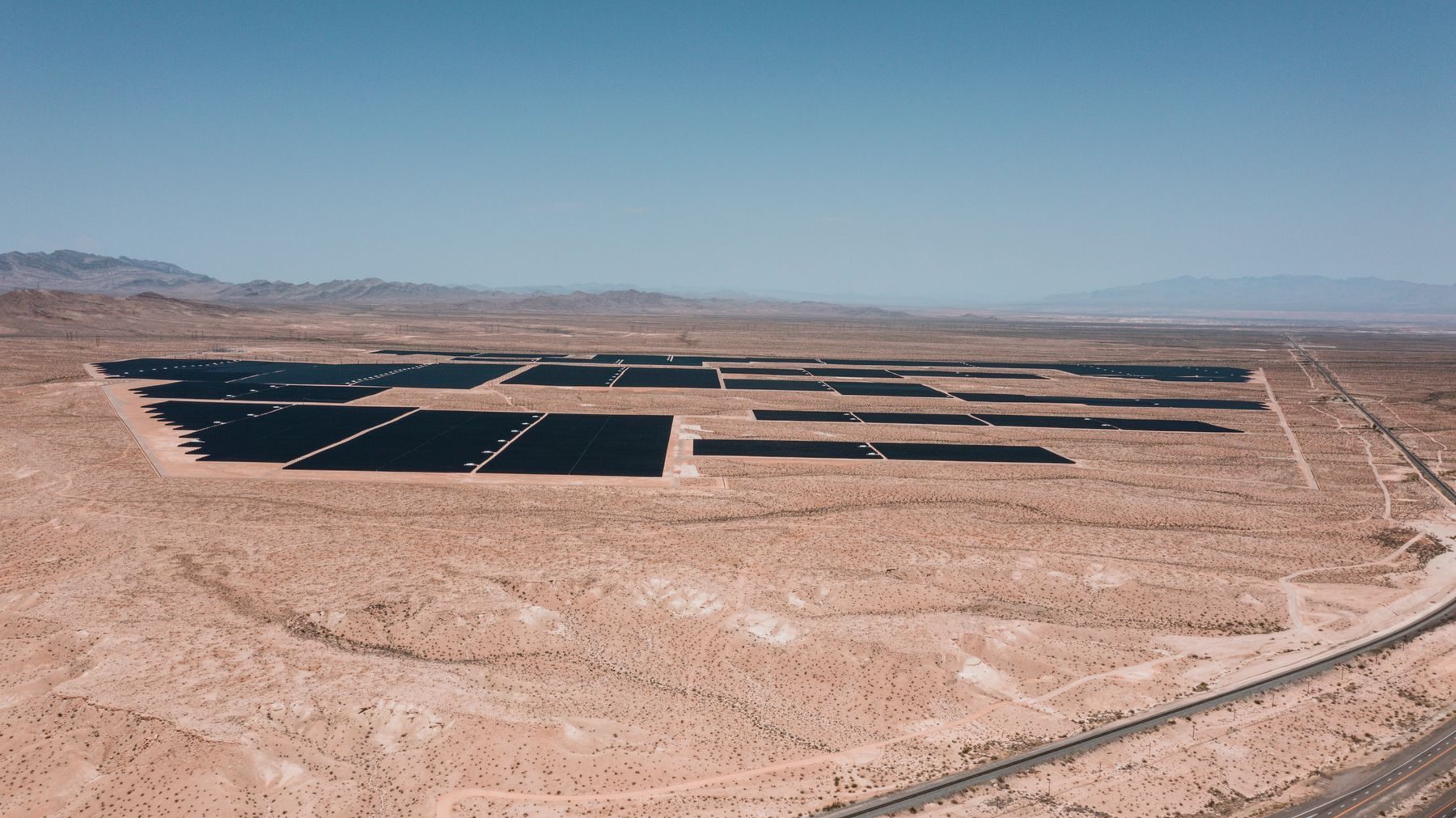
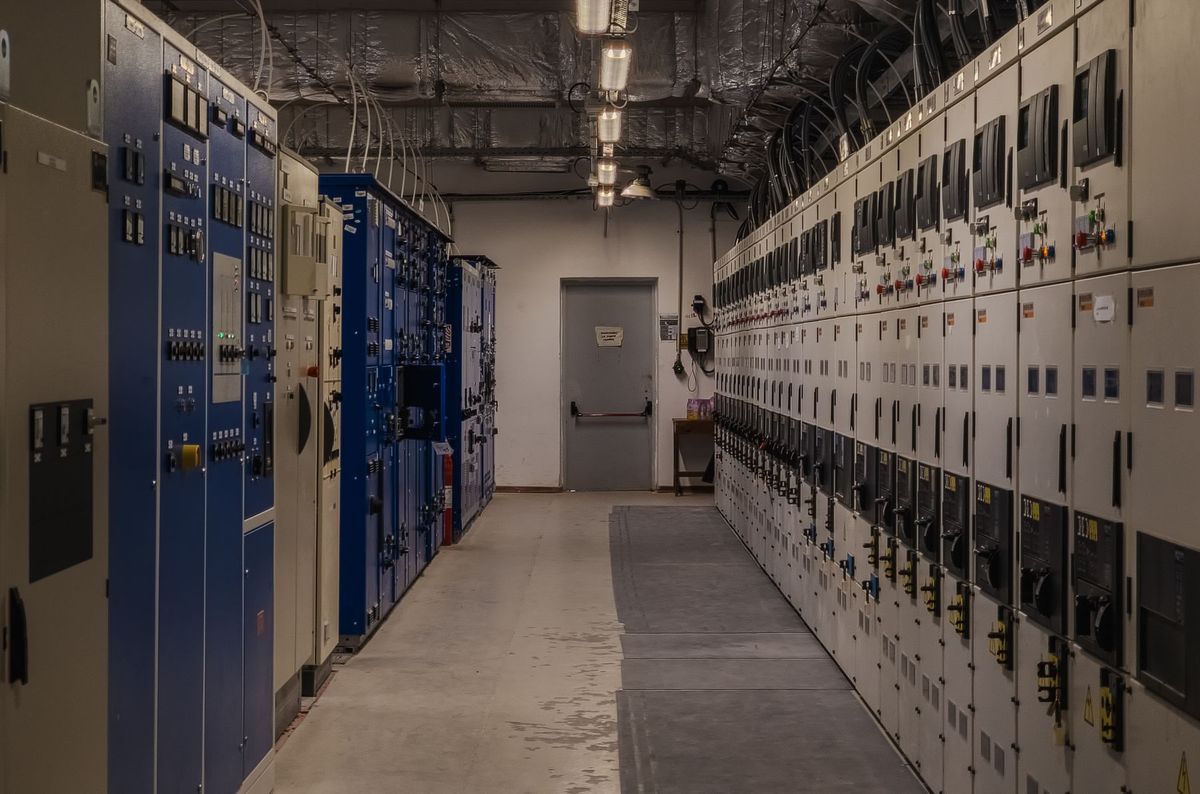
The Middle East's renewable energy infrastructure presents a significant market opportunity, but equipment exports face stringent and dynamically updated local certification standards; combined with rigid project schedules, documentary compliance risk can very easily cause cargo to be held at the port, resulting in high storage charges and project schedule delays. This logistics case study of the Saudi Arabia 400 MW solar PV power plant demonstrates upfront documentary risk identification and emergency coordination, helping energy infrastructure projects reduce the economic and schedule losses caused by cargo being held at the port. This real-world case follows our energy-equipment full-chain delivery process.

Project: Saudi Arabia 400 MW solar PV power plant project

Cargo: multiple sets of medium-voltage switchgear (core equipment for power infrastructure)

Port of loading: Shanghai Port, China; port of discharge: Dammam Port, Saudi Arabia

Scope of our services: export-side logistics operations, destination port documentation

Scope of our services: export-side logistics operations, destination port documentation coordination and compliance review in advance (value-added service); SASO certificates and third-party test reports are issued by the equipment manufacturer and the designated testing institution.

Mode of transport: ocean freight in standard 40HQ containers, you may review our A Complete Guide to FCL (Full-Container-Load) Shipping.
—— PROJECT BACKGROUND
The medium-voltage switchgear is the core equipment of this large-scale solar PV power plant. After the equipment completed production in China, it was shipped by sea to Dammam Port, Saudi Arabia, and was subsequently transferred to the project construction site. Power and energy equipment exported to Saudi Arabia needs to meet the various technical certification requirements issued by the Saudi Standards Organization (SASO), and the testing requirements for power equipment under desert high-temperature working conditions are also in a state of dynamic updating. The basic certification review for this consignment had already been completed at an earlier stage, but at the stage when the cargo was about to arrive at the port, the Saudi regulatory authority raised a requirement: a dedicated test report for the desert high-temperature environment was needed, and this document had not been included in the initial customs clearance documentation package.
The sudden compliance gap directly brings the risk of the cargo being held at the port. Once the equipment is detained at the port, high port storage charges will be incurred, the on-site installation plan will be disrupted, and the cost of the entire 400 MW solar project may even overrun. New energy infrastructure projects have extremely rigid schedule constraints, and a short-term delay of the cargo will cause a chain of negative effects on the overall construction plan. High-value project assets are recommended to arrange cargo marine insurance for factory-to-site risk coverage.
—— CORE CHALLENGES
SASO Document Compliance Risk

The medium-voltage switchgear was about to arrive at Dammam Port, and the Saudi SASO inspection body required a dedicated test report for desert high temperatures adapted to the local environment; this dedicated document had not been prepared before shipment. The cargo faced the risk of being detained at the port, and the key project milestone carried a latent risk of delay.
Note: The official test report must be issued by the equipment manufacturer or a Saudi-recognised third-party testing institution; the logistics service provider cannot prepare an official test report, nor can it guarantee that the regulatory authority will approve the temporary exemption scheme.
—— SOLUTION
Upfront Review + Dual-Track Parallel Emergency Response

Drawing on the hands-on experience accumulated from serving multiple energy projects in Saudi Arabia, the logistics team formulated a complete phased handling plan.
I. Pre-Arrival Documentary Review (Value-Added Service)
Three days before the vessel's estimated arrival at the port, the compliance team completed a review of the full set of customs clearance and certification documents for this consignment of high-value project cargo. During the review, a potential gap in the version of the test report related to the desert environment was identified, and an early warning was issued before the official cargo detention notice was formally issued, securing buffer time for subsequent handling.
II. Dual-Track Cross-Regional Coordinated Response
Two communication channels — domestic and local in Saudi Arabia — were launched simultaneously, to minimise the impact on the project schedule as far as possible.
Saudi local coordination
Our local partner customs broker communicated with the SASO-designated inspection institution, attempting to secure a temporary communication buffer window, and submitted the manufacturer's basic certificates + a letter of commitment for equipment re-testing as transitional reference materials; at the same time, the customer was informed in parallel that the final decision on whether to accept the transitional materials rests with the local regulatory authority. In parallel, the approval process for the formal supplementary report was advanced.
Domestic technical-side coordination
In parallel, the domestic customer, the manufacturer and qualified third-party testing institutions were engaged, working overnight with a national-level testing institution in China to expedite the preparation of a supplementary test report meeting the technical indicators for Saudi desert high temperatures, driving the issuance of the electronic version of the report across time zones.
Important note: we only undertake coordination and the transmission of documents; the test report is issued by an authoritative third-party institution.
III.  Closed-Loop Handling and Development of a Standardised Verification Process
Within 72 hours, the compliant electronic version of the supplementary test report was submitted to the local competent authority and passed review. The cargo completed customs clearance smoothly and was transferred to the solar project construction site.
After the incident was handled, the team distilled and formed the "Saudi Energy Equipment SASO Certification Risk Verification Checklist", which has now been incorporated into the value-added pre-compliance review process for Saudi energy projects, and is used to identify gaps in special-environment testing documents in advance and reduce compliance risks in subsequent customers' similar projects.

—— PROJECT OUTCOMES
On-time Delivery of Medium-Voltage Switchgear to Saudi Solar

The medium-voltage switchgear was delivered to the solar construction site as planned

High port storage charges were avoided, and the key construction milestones of the project as a whole were safeguarded.
For equipment exports for large new energy projects in the Middle East, local certification regulations and testing standards are in a state of dynamic updating. Pre-arrival documentary risk review, the linkage of local partner resources with domestic technical resources, and a mature contingency plan system can effectively reduce the risk of the cargo being held at the port and of schedule delays.

“When our Saudi project was in difficulty, your well-developed contingency plan and highly efficient cross-team response helped us hold the schedule. You are not only familiar with energy equipment logistics, but also fully understand the actual local regulatory rules in Saudi Arabia.”


                                                                                 ★★★★★
                                                                 Client Project Manager
Do You Have Similar Needs? One-Stop Solution.
If you have power generation or solar power equipment planned for shipment to Middle East and African markets, our project logistics team can provide a feasibility assessment and a customised logistics and compliance solution.
Contact us