Nine-Stage Delivery Process
A complete journey from project initiation to final delivery — every stage engineered for certainty.
Risk Assessment & Project Initiation
Deep Survey
Engineers conduct on-site equipment surveys, identifying lifting points, center of gravity, precision parts or fragile areas, and packaging core risks. Combined with destination port operational constraints, produce a Customized Logistics Solution including transport method (bulk carrier/ flat rack), reinforcement plan, and disassembly recommendations.
Solution Customization Enhancements
In solution customization, add "vessel crane capacity matching assessment" and "destination port operational constraint verification." For overweight equipment, vessel company single-piece weight limits must be confirmed in advance, and disassembly costs digested in the quotation to avoid subsequent changes.
Logistics Path Simulation
Based on destination port (e.g., Dammam in Middle East, Lagos in Africa, Santos in South America) operational capabilities, simulate the entire process from factory loading, terminal lifting to sea lashing.
Financial Risk Pre-Audit
If letter of credit is involved, audit terms in advance, lock "latest shipment date" and "document presentation period," assess their compatibility with current shipping schedules and potential risks, and treat them as an inviolable red line for all subsequent operations.
Risk Front-Loading
Digest core risks such as overweight, oversized, and document special characteristics at the quotation stage to avoid additional costs later.
Project Master Plan Output
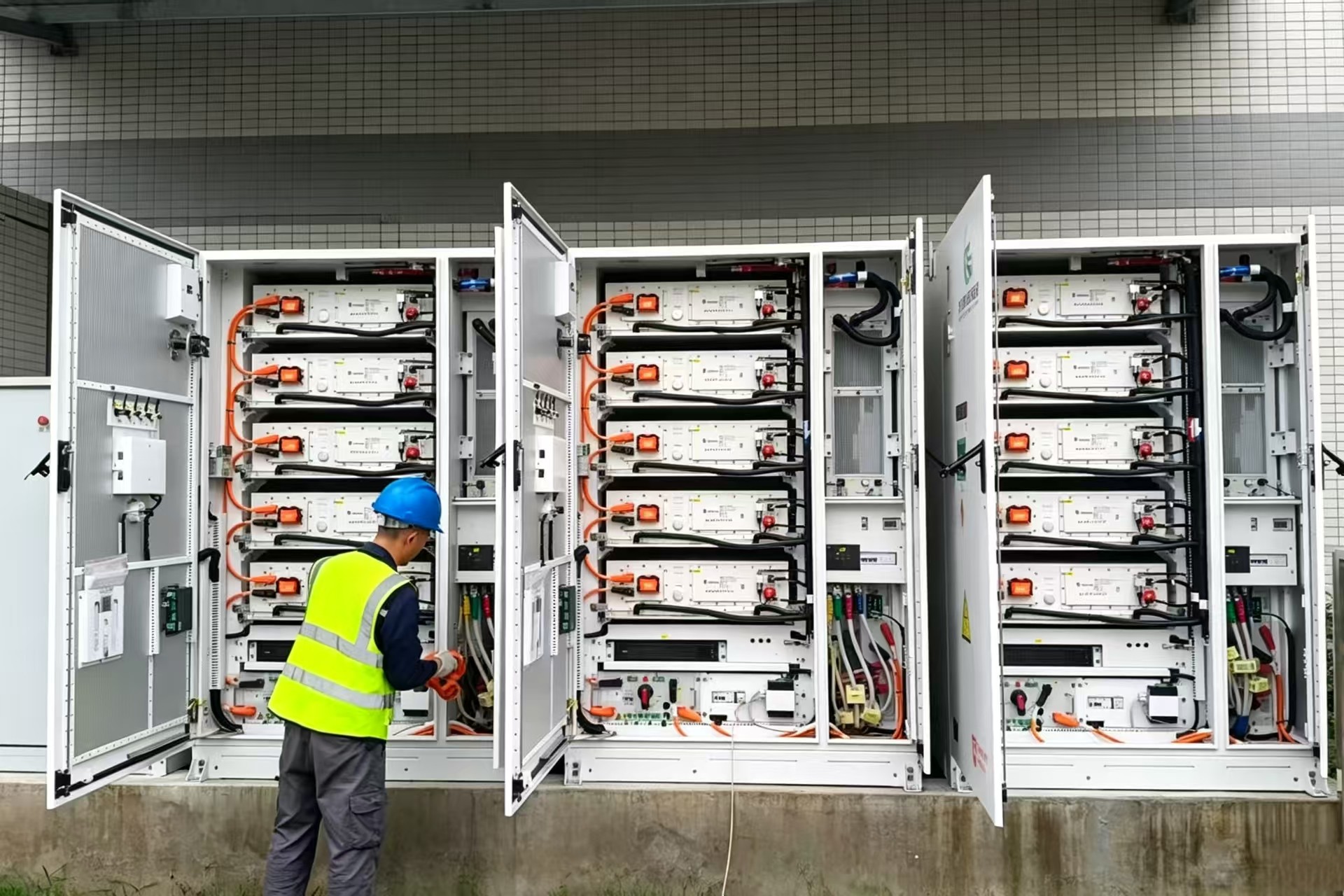
Based on cargo survey of equipment's actual lifting points, center of gravity, precision parts or fragile areas, and packaging core risks. Issue a plan including transport method (bulk carrier/flat rack), reinforcement plan, disassembly recommendations, shipping schedule matching, "vessel crane capacity matching assessment," "destination port operational constraint verification," document checklist, and risk control contingency plans.
Contract & Payment Arrangements
Clarify logistics party's scope of authority in factory operations under INCOTERMS terms, including technical disassembly and supervision, packaging standards, and other professional collaboration modes.
Sign a Major Cargo Transport Contract with clear rights and responsibilities, and provide a transparent, clearly structured Fee Breakdown Quotation, with all costs (ocean freight, domestic miscellaneous fees, destination port clearance and delivery fees) clearly visible. Both parties confirm total costs and phased payment milestones (typically a partial deposit after contract signing to lock space and resources), achieving full-cycle cost control.
Free Guide · Integrated Service Will Your Equipment Actually Fit, Lift and Clear Cost? Check Before You Book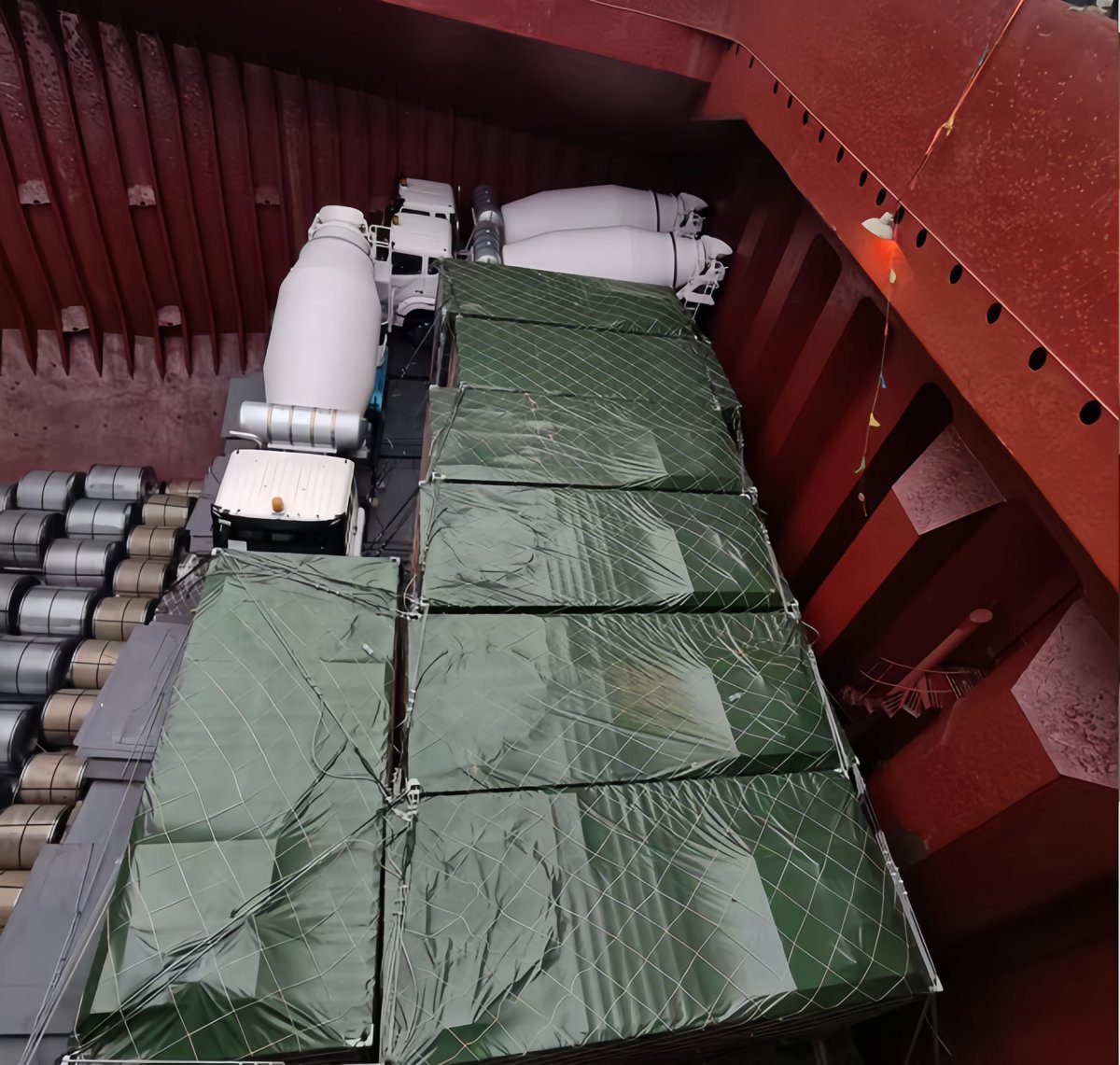
Booking & Space Locking
Booking is by no means simple "order placement." It is a strategic resource matching based on professional data, risk anticipation, and full-process planning. Our core goal at this stage is to ensure your valuable equipment is matched with the safest, most economical, and time-controllable ocean voyage.
We abandon the passive wait-for-space mode and proactively execute a "three-dimensional matching" booking strategy for you, resolving risks before loading.
Three-Dimensional Matching Strategy
For container-suitable energy equipment, we evaluate options covering FCL (full-container-load) and LCL (less-than-container-load), alongside break-bulk and OOG flat-rack solutions.
Engineering-Grade Protection & Packaging
Structural Protection
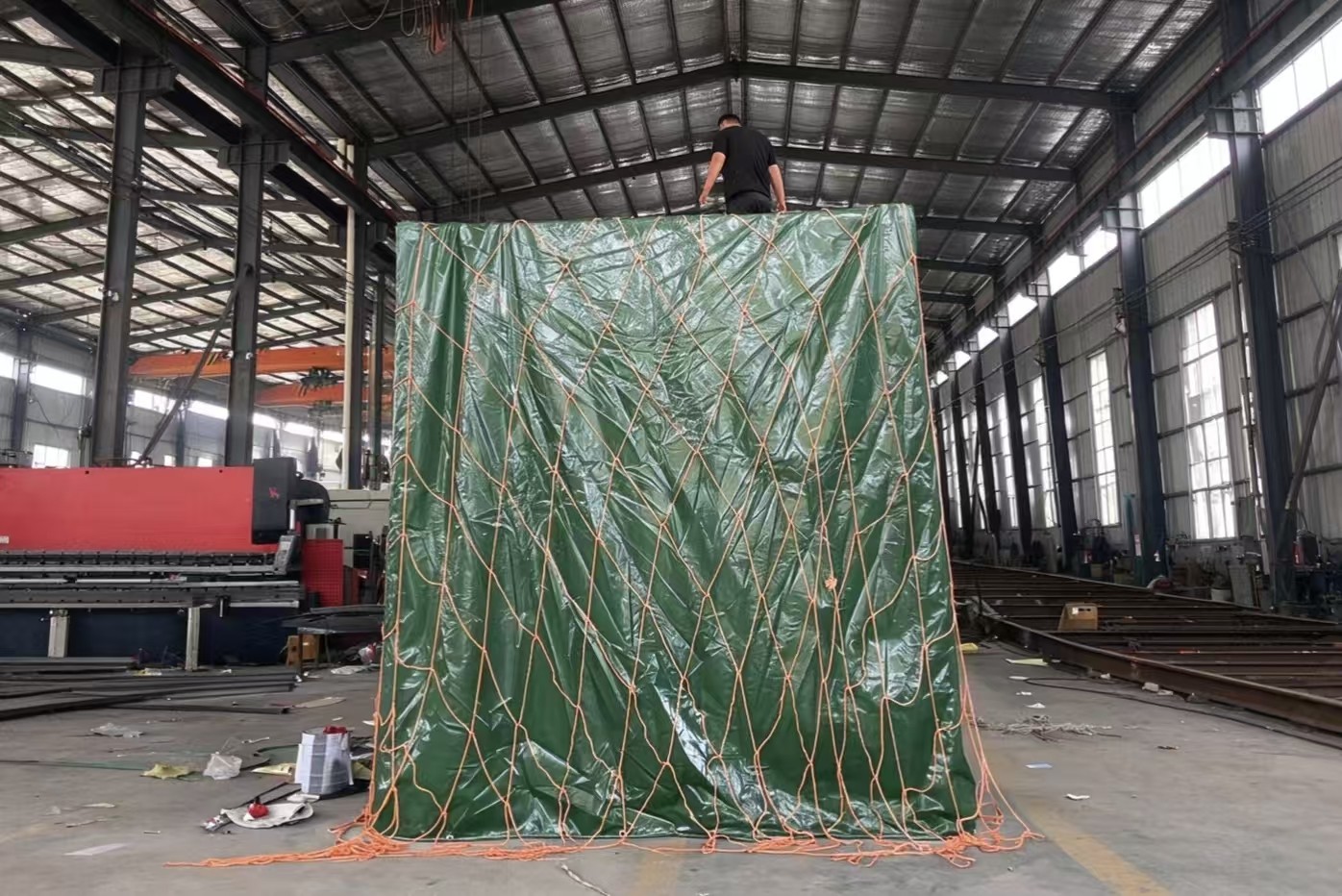
Adopt composite process of "protective film full coverage + high-strength bubble film buffer + PP strap cross-binding," and customize dedicated waterproof rain covers.
Supervised Loading & Protection
On-site supervision of "anti-rust — buffer — waterproof — reinforcement" four-level packaging process, with key encapsulation of electrical interfaces, instrument panels, and other parts.
Confirmation of Lifting Plan
Jointly with equipment engineers, conduct lifting point stress analysis, record standard lifting demonstration videos for sharing between departure and destination port terminals, ensuring unified operation standards and eliminating rough handling.

Precise Documentation
Document "Pre-Fabrication"
Complete bill of lading, certificate of origin, customs clearance documents, equipment manual translation and certification, and other full-set documents before loading, leaving only dynamic information such as B/L number and sailing date. This buys 48-72 hours of buffer for shipping schedule delays.
Destination Port Clearance Pre-Audit Feedback
Send to destination port direct clearance partners (e.g., teams in the UAE, Saudi Arabia, and Africa) for simulated clearance audits, correcting discrepancies in advance. Establish a "document accuracy checklist" to ensure 100% consistency between B/L information and physical goods.
Domestic Transport, Port Operations & Lifting Simulation
Professional Inland Transport
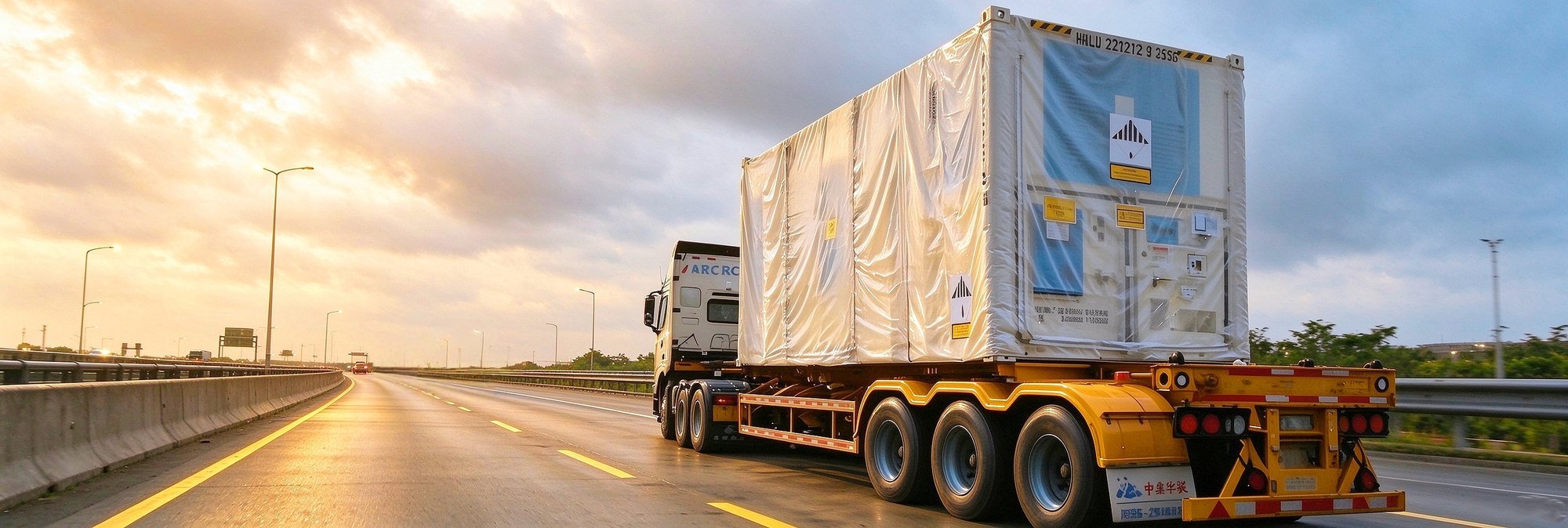
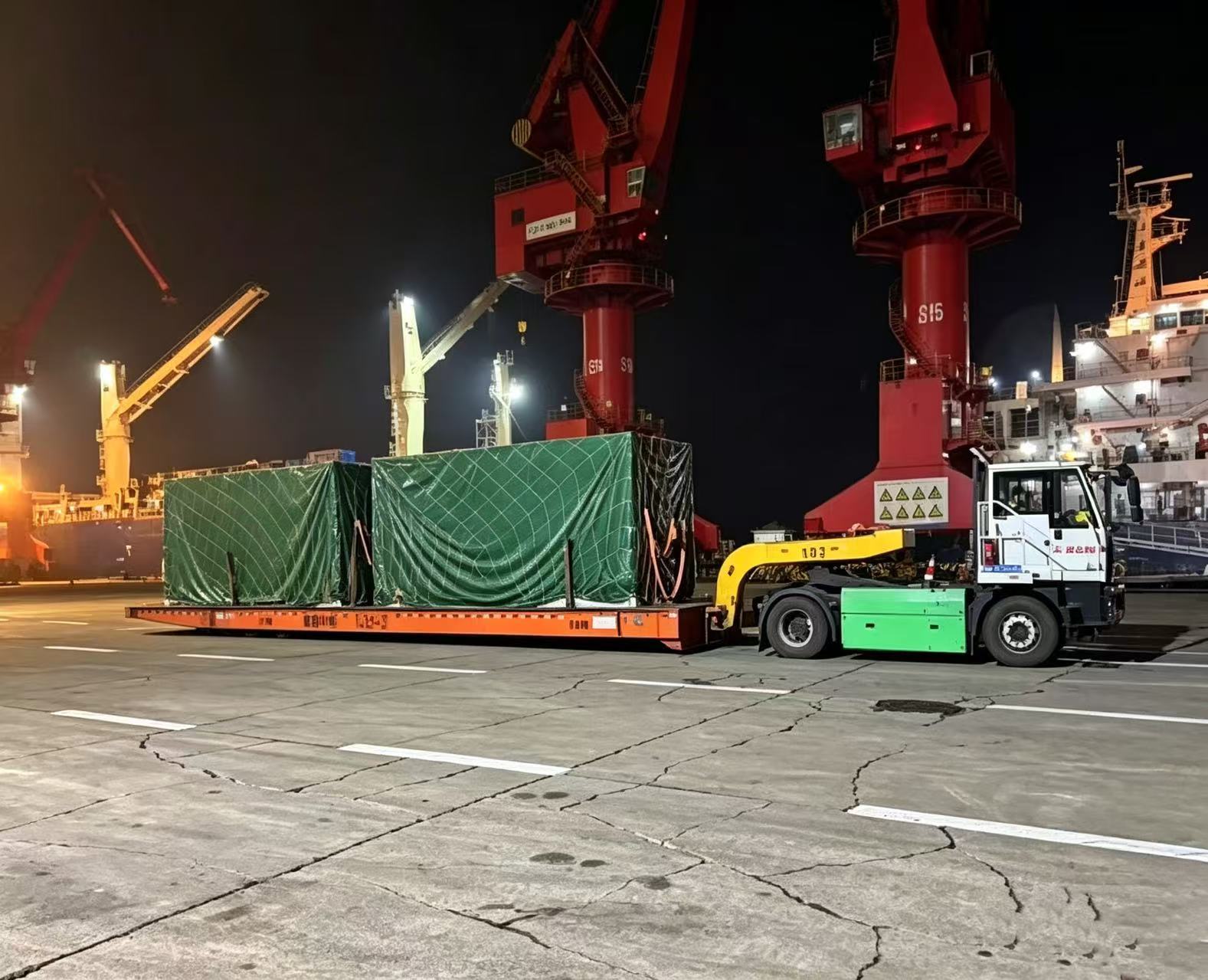
Arrange low-bed hydraulic trailers or airbag vehicles for transport, plan routes avoiding height/weight-restricted sections.
Terminal Pre-Operations & Inspection
After cargo arrives at port, conduct lifting point re-inspection, lashing point pre-setup, and technical briefing with terminal operations team.
Supervised Loading Operations
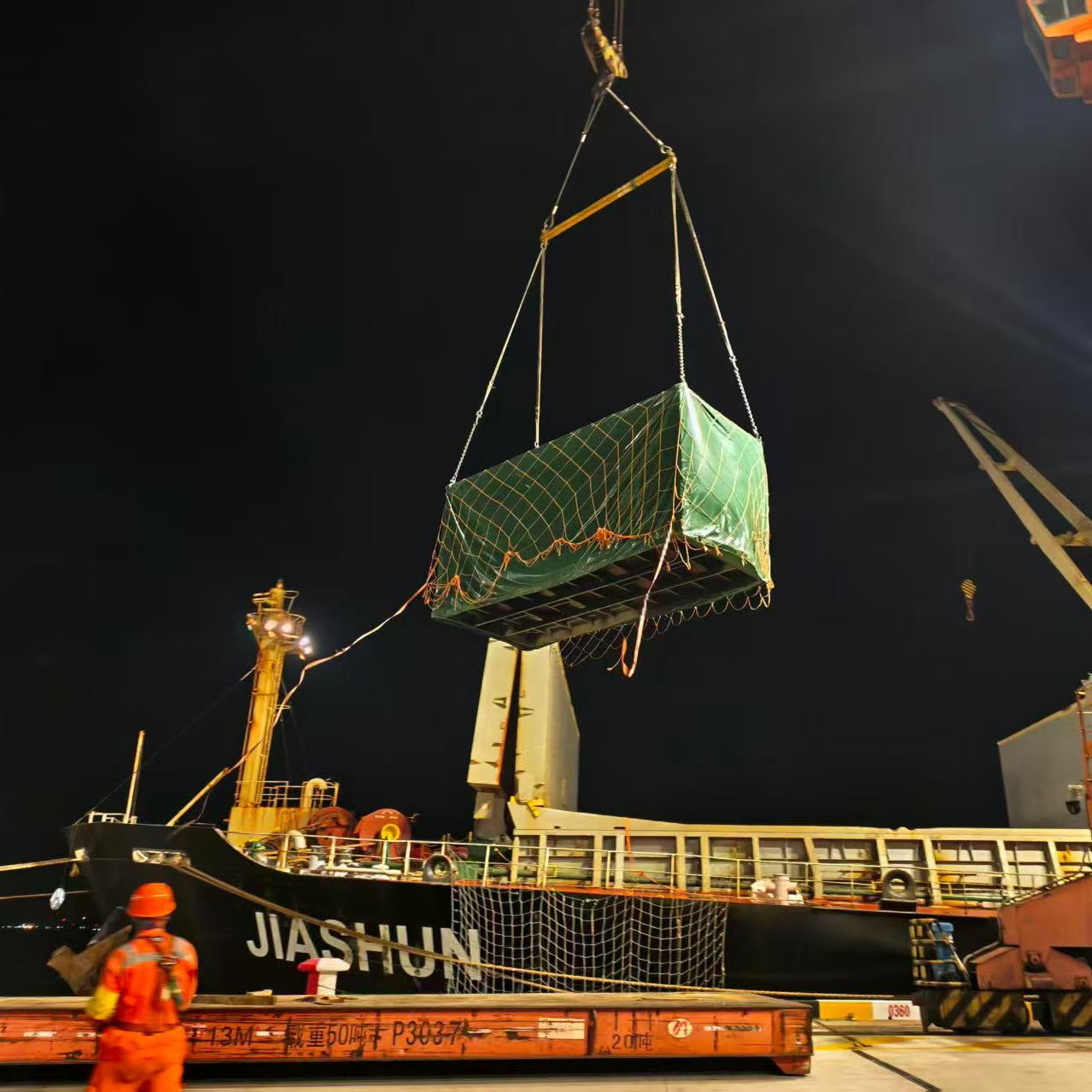
From loading reinforcement to departure, key node photo/video reports. Terminal secondary reinforcement and inspection, supervise terminal to perform lifting, positioning, and welding lashing per established plan, with photographic records. For bulk carrier transport, the ship's chief officer or professional lashing company, based on our cargo center of gravity diagram, performs welding of deck lugs, professional lashing reinforcement, and photographic documentation on the deck. This is the technical core ensuring tens-of-tons equipment stands firm in wind and waves.
For relatively compact energy spares and components, we may also select air freight or international courier for urgent replacement-part shipments.
Export Customs Declaration
Export Customs Declaration
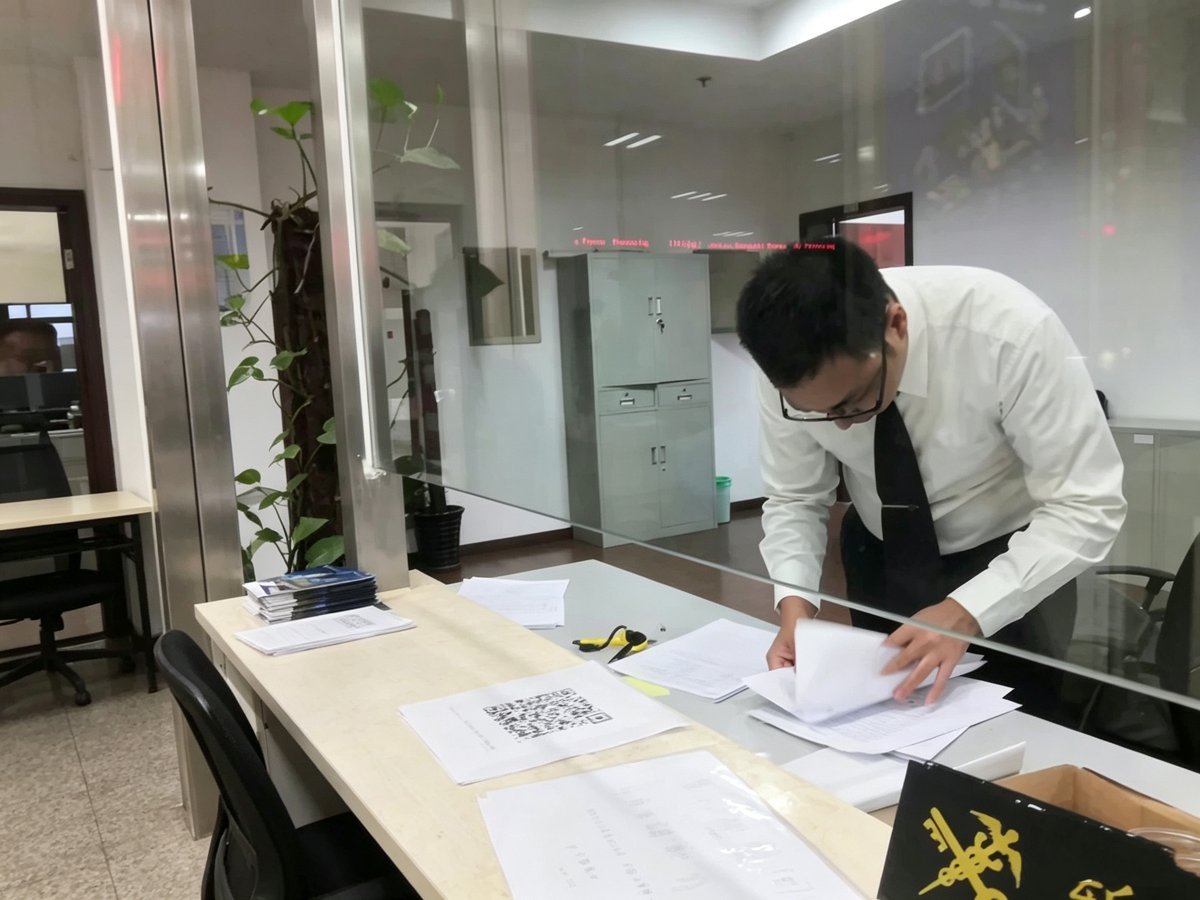
Complete declaration with pre-audited accurate documents.
Cutoff Time Management
Reserve at least 48 hours for customs before cutoff, strictly prohibit cutting it close to port entry, to prevent inability to complete customs inspection and missing the ship (emergency prevention mechanism).
Ocean Freight & Active Monitoring
Trajectory Transparency
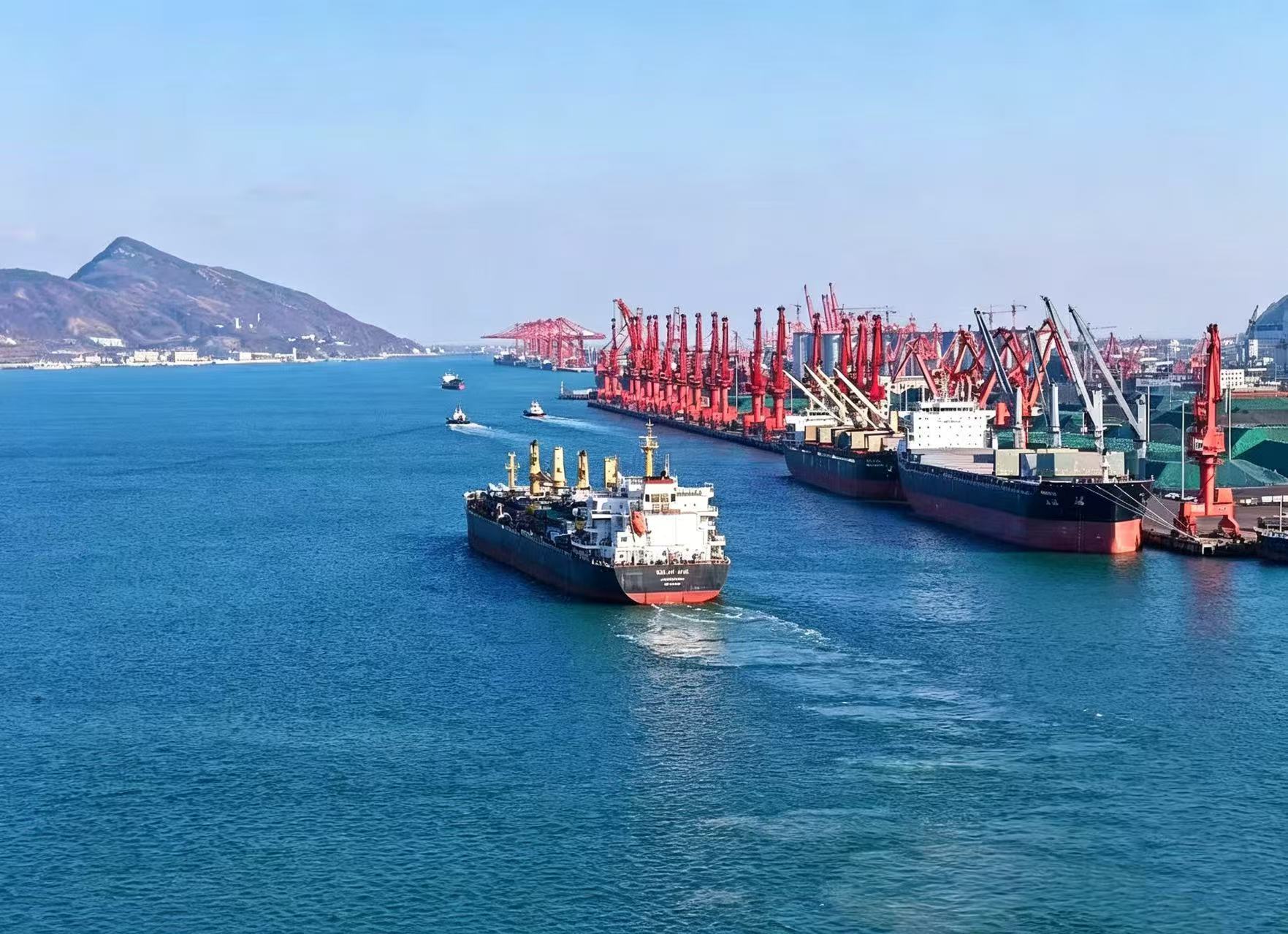
Provide vessel AIS positioning information, regularly update navigation reports. Query actual cargo dynamic trajectory per cutoff times, immediately sync information for any anomalies (port congestion, inspection, rolled cargo, delivery delays over 4 hours).
Proactive Alert & Customer Outreach
Dedicated steward 24h response. Early warning for any potential delays (weather, port congestion), with synchronized contingency plans. Send Estimated Arrival & Document Preparation Reminder 7 days before arrival.
Exceptions & Escalation
When inspection detention or destination port additional storage fees occur, output Exception Notification Letter and preliminary solution within 2 hours, CC customer decision-makers.
If shipping schedule delay seriously threatens L/C document presentation period, immediately initiate:
Channel A:Physical Document Presentation
Coordinate with the shipping company to prioritize cargo loading and the issuance of original bills of lading, and arrange for the express delivery of documents via the fastest available service.
Channel B: Electronic Pre-Audit
Send full-set pre-fabricated document scans to issuing bank's designated email, apply for pre-audit, early identify discrepancies. This solution successfully resolved an extreme crisis where L/C validity was less than 72 hours due to blizzard delay.
Destination Port "One-Stop" Clearance & Pickup
Pre-Clearance Operations
Submit full-set pre-audited documents to destination port agent before vessel arrival, initiate clearance process, and proactively address possible commodity inspection or tax questions.
Efficient Clearance
With "dual-track pre-audit" documents, achieve fast clearance. If inspection or challenges arise, immediately activate "48-hour on-site emergency mechanism," with local experts directly interfacing with customs.
Technical Document Assistance
Assist in preparing equipment technical parameter descriptions, test reports, and other supplementary documents that local regulatory authorities may require.
Document Error Emergency Handling
Incorporate "document discrepancy emergency response" into standard operating procedures. If information errors are found during clearance, immediately activate the three-step method: verify source information, contact carrier for correction, submit supporting documents — striving to resolve within 48 hours, avoiding demurrage.
See our solar power project cargo export case for real-world destination clearance execution.

Destination Delivery & Value-Added Services
Delivery Closure
Confirm unloading conditions with consignee in advance and book professional suitable vehicles, re-verify VIN codes and seal integrity before leaving port/supervised area.
Send Arrival Notice and driver contact to consignee before departure, accompany and supervise delivery, fill out photo-equipped handover confirmation form item by item (including appearance scratches, three-party signature).
POD (Proof of Delivery) must be returned and archived within 24 hours after delivery, completing the loop. If abnormal damage occurs, immediately initiate claims evidence process.
Value-added Services: Cargo marine insurance
After-Sales Support
Upon request, coordinate technical personnel to guide equipment reassembly, debugging, and provide logistics-related support to ensure delivery completeness.
Process Insights: Standardized Assurance Forged from Real-World Crises
Because we deeply understand the complexity of energy project customs clearance, we have built a seamless chain from "China document pre-audit" to "local clearance turnkey." What we provide is not just a process, but a certainty capability that safeguards high-value project supply chain security.
Full-Chain Penetration Management
Integrates traditionally separated "booking, customs declaration, ocean freight, clearance" into a coherent process anchored by the Project Master Plan, eliminating responsibility blind spots.
Risk Control Absolutely Front-Loaded
Devolves maximum effort to "diagnosis & planning" and "resource locking" phases, resolving most risks before they occur through agreement terms and backup plans.
Finance & Logistics Deep Integration
Document operations (especially under letters of credit) are no longer independent logistics work, but a risk-control lifeline tightly linked with shipping schedule locking and emergency response.
Certainty Guarantee Capability
Centered on "certainty delivery" as the core goal, transforming complex international logistics into controllable standardized modules for high-value project supply chain security.