September Market Overview
In September 2026, global ocean freight logistics entered the window ahead of the Q4 peak season under a mixed set of lane bottlenecks. Some liner services resumed transits through the Suez Canal, but operational risk in the Strait of Hormuz remains high. Driven by sustained drought linked to El Niño, the Panama Canal has cut transit quotas further, tightening constraints on OOG over-dimensional flat-rack shipments and over-weight, over-sized project cargo.
Source: Lloyd's List Intelligence, Red Sea Briefing, September 2026
For project cargo companies exporting construction machinery, complete vehicles, electric chassis and power generation equipment, available RoRo and breakbulk heavy-lift capacity keeps tightening ahead of the Q4 demand peak. War risk premiums, bunker adjustment factors and canal auction-related charges remain volatile. Booking space in advance, dual-route contingency plans and pre-shipment compliance review for destination countries have become essentials for time-critical project cargo exports.
1.1 Compounding Disruptions in September 2026
Strait of Hormuz
Weekly vessel transits remain suppressed; expanding sanctions screening requirements add compliance cost for both carriers and shippers. Spot-market vessel availability for project cargo bound for the Persian Gulf remains limited.
Source: Leschaco Ocean Freight Market Update, September 2026
Red Sea – Suez Canal
Some liner operators have resumed transits, but intermittent security threats persist. War risk insurance rates stay high, and the Cape of Good Hope diversion remains a viable fallback.
Source: Lloyd's List Intelligence, September 2026
Panama Canal
Official daily transit quotas have been cut and draft limits at the Neopanamax locks tightened. Auction premiums for priority transit slots are climbing, directly affecting over-dimensional project cargo on the trans-Pacific.
Source: Panama Canal Authority (ACP) official notice, 7 September 2026
Specialised Project Shipping
Strong export demand for heavy-haul equipment, electric buses and generator sets from China is pushing up spot demand for RoRo and MPV heavy-lift tonnage. Recent newbuild deliveries cannot relieve the tightening spot supply.
Source: Clarksons Research, weekly project cargo report, September 2026
Cost Pressure
War risk surcharges, bunker adjustments and Panama Canal auction-related charges are stacking up. Quotation validity for cargo bound for the Middle East and Latin America has shortened noticeably.
Key Shipping Market Developments
2.1 Strait of Hormuz and the Red Sea – Suez Corridor
According to the Lloyd's List Intelligence weekly monitoring for 14–20 September, total weekly transits through the Strait of Hormuz remain far below the pre-conflict baseline. An expanded sanctions list is forcing stricter pre-departure vessel screening for all cargo bound for Persian Gulf ports.
Source: Lloyd's List Intelligence, weekly maritime briefing, 20 September 2026
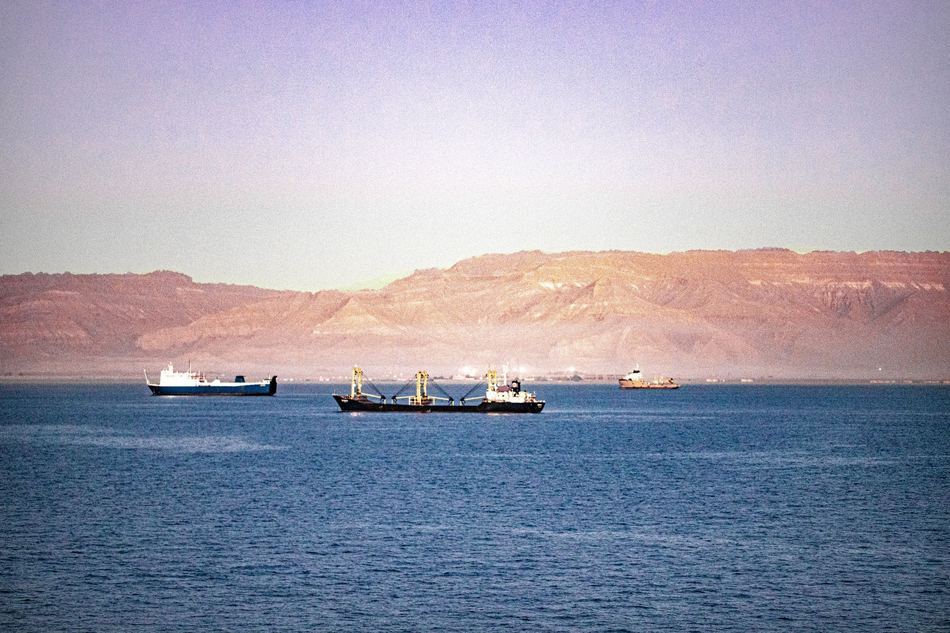
During September, several major liner operators partially restored Suez Canal services, but not all services returned. MSC restarted four key Suez services this month, while Houthi-related security incidents continued intermittently. Red Sea war risk surcharges for breakbulk and RoRo cargo remain at 0.75%–0.85% of cargo value. Cargo on Asia–Gulf services routed via the Cape of Good Hope will add 8–11 days of sailing time. Even with a partial Suez recovery, project cargo vessels still cannot rule out ad-hoc diversion.
Source: Leschaco Ocean Freight Market Update, September 2026
2.2 Panama Canal: Drought-Driven Quotas and Draft Limits
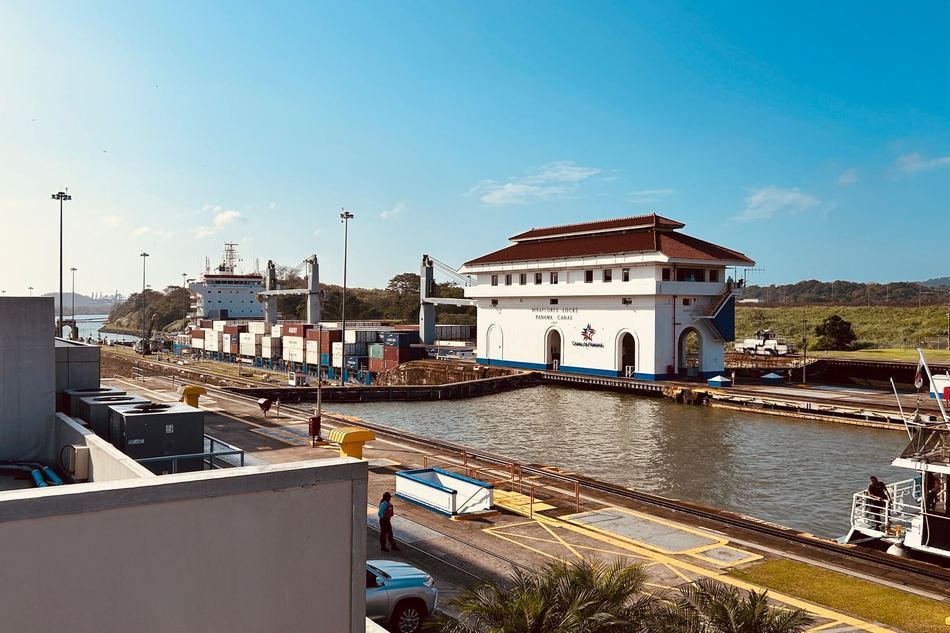
Rainfall across the watershed remains persistently low, putting Panama Canal operations under pressure. From 15 September, the Panama Canal Authority cut the daily transit quota to 32 vessels while tightening draft limits at the Neopanamax locks. Average vessel waiting time for the whole of September was 9–11 days, and the cost of transit auctions for urgent cargo rose sharply.
Source: Panama Canal Authority official notice, 7 September 2026; Lloyd's List, 15 September 2026
- 32Daily transit quota from 15 Sep
- 9–11Days average waiting time in September
Trans-Pacific carriers are reducing permitted cargo weight to fit canal draft rules. For over-weight and over-dimensional project pieces, the laden weight limits of the transiting vessel must be confirmed at the earliest stage of project assessment. Project cargo shipped via US East Coast and Latin American ports faces higher cost and greater schedule volatility.
2.3 RoRo, Breakbulk and Heavy-Lift Project Market
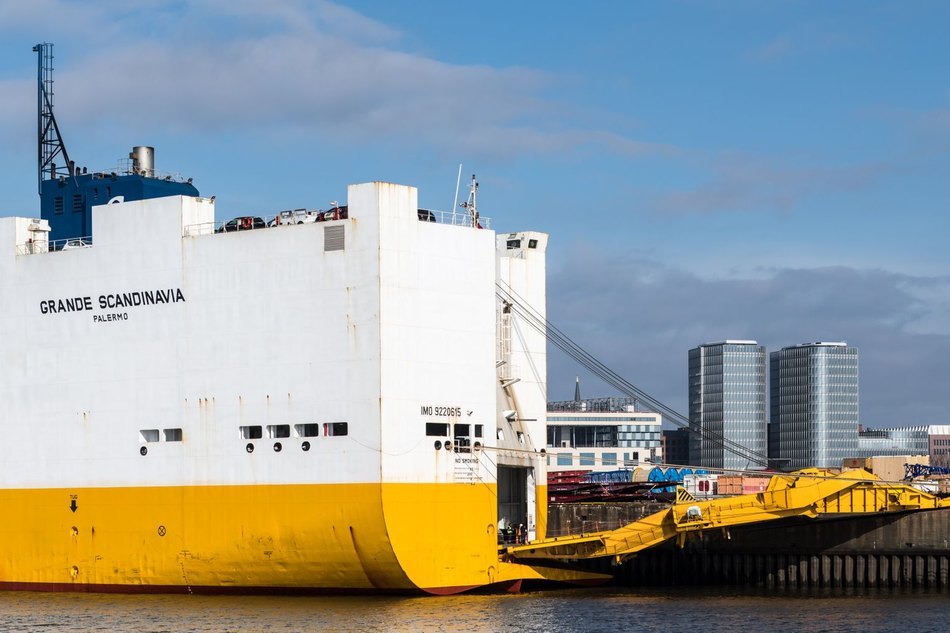
In September, continued export volumes of Chinese construction machinery, electric bus chassis and power generation equipment brought strong demand for specialized project tonnage. RoRo spot premiums on Middle East and Africa lanes rose 15%–24% against the Q2 baseline.
The global MPV heavy-lift fleet is constrained by an ageing profile, and 2026 newbuild deliveries are limited. Clarksons Research continues to advise that over-dimensional, high-value project cargo should be fixed 6–9 weeks before the planned loading date. Booking on the spot market at short notice exposes shippers to freight rate spikes and space shortfalls. The Q4 peak-season tightening is expected to run through the whole of Q4 2026.
Source: Clarksons Research, weekly multipurpose and heavy-lift report, September 2026
Lane Impact Analysis
Asia – Middle East & Africa Lanes
According to Drewry's September monitoring, the Shanghai–Persian Gulf container spot rate remains high at USD 6,247/TEU. Accumulated surcharges continue to compress quotation validity.
Source: Drewry World Container Index, September 2026
Competition for RoRo and breakbulk heavy-lift berth windows is intensifying. Terminals at several key destination ports in the Middle East and Africa are intermittently congested. Before shipping any OOG over-dimensional flat-rack unit, shippers must pre-verify quay crane lifting capacity and terminal receiving conditions — see our full-chain energy equipment delivery process.
Main business risksShort quotation validity, ad-hoc port call adjustments, and insufficient heavy-lift discharge capability at the destination terminal.
Asia – Europe Lanes
Asia–North Europe container spot rates eased slightly month on month. Even for vessels transiting the Suez Canal, average end-to-end delays remain at 40–52 hours. Inland multimodal bottlenecks at major European hubs such as Rotterdam, Antwerp and Hamburg are feeding back into ocean terminal operations.
Source: Lloyd's List Intelligence, September 2026
Even when the ocean leg runs to plan, over-dimensional project pieces can still be delayed at terminal discharge and in inland over-dimensional permit handling. Most carrier contracts still retain a dual-route option clause. See our nine-stage construction machinery delivery process for project-level, front-loaded risk control.
Trans-Pacific Lanes
Front-loaded imports ahead of the US year-end trade policy review lifted trans-Pacific freight sentiment. Panama Canal quota and draft constraints are forcing transiting ships to keep reducing cargo weight. Terminal utilization on the US West and East Coasts remains high. Project cargo bound for US ports must confirm heavy-lift handling resources in advance to avoid complicating berth allocation.
Intra-Asia Shipping
Recovery at major Chinese export terminals after the typhoon season continues. Transshipment hubs such as Shanghai, Ningbo, Singapore and Port Klang are seeing recurring congestion. Berth utilization at RoRo and breakbulk terminals remains high. Project loading plans should build in sufficient buffer and avoid tight cargo cut-off arrangements. For urgent small spare parts replenishment, air freight or international express are worth considering as fallback options.
Practical Recommendations for Project Cargo Shippers
4.1 Short-Term Execution Priorities
-
Build in schedule buffer: for all project cargo bound for the Middle East, Africa and Latin America, allow a 14–21 day contingency buffer to absorb canal waiting time, potential diversions and port congestion delays.
-
Start dual-route pre-assessment: for high-priority machinery, vehicle and energy equipment cargo, assess both the Suez–Red Sea routing and the Cape of Good Hope diversion during project planning.
-
Secure project cargo space early: for RoRo and MPV breakbulk cargo, complete booking 6–9 weeks before loading, and verify vessel lifting parameters and destination terminal heavy-lift capability at the same time.
-
Manage quotation cycle expectations: accept the reality of shorter quotation validity, and recalculate war risk surcharges, bunker adjustments and Panama Canal-related extra costs on a regular basis.
-
Strengthen vessel compliance screening: run thorough vessel background checks on all cargo bound for the Middle East to reduce sanctions-related exposure.
Source: Clarksons Research guidance note, September 2026
4.2 Medium- and Long-Term Outlook
Geopolitical friction in the Middle East will keep shaping lane decisions and freight rate levels through Q4 2026. Capacity constraints caused by the Panama Canal drought are expected to last until the end of Q4 2026. Constrained by shipbuilding cycles, RoRo and MPV heavy-lift capacity will stay tight, with no clear relief before 2028–2029.
Source: Clarksons Research long-term fleet outlook, September 2026
Supply chain resilience depends on diversified routing options, extended planning horizons, vessel and terminal resources secured in advance, and real-time information alignment between shippers and logistics partners.
With stacked lane bottlenecks and Q4 peak-season pressure, reliable project cargo delivery depends more on active risk identification, pre-built contingency plans and end-to-end cargo visibility than on chasing the lowest spot rate in the market.
Key Indicators at a Glance
| Indicator | September 2026 latest data | Month-on-month change |
|---|---|---|
| Red Sea war risk surcharge (RoRo / breakbulk) | 0.75%–0.85% of cargo value | +0.05–0.10% vs August |
| Shanghai–Persian Gulf container spot rate | USD 6,247 / TEU | +1.8% month on month |
| Recommended booking lead time, heavy-lift breakbulk | 6–9 weeks before loading | Extended vs August guidance |
| Panama Canal daily transit quota (from 15 September) | 32 vessels | Unchanged since mid-September rules |
| Panama Canal average waiting time (September) | 9–11 days | +1–3 days vs August |
| Middle East lane RoRo spot premium | 15%–24% above Q2 baseline | +3–2% vs August |
Consolidated data sources: Lloyd's List Intelligence, Panama Canal Authority (ACP), Leschaco, Clarksons Research, Drewry Maritime Research
- Lloyd's List Intelligence, Weekly Maritime Briefing and Red Sea Briefing, September 2026
- Panama Canal Authority (ACP), Official Notice on Transit Quotas and Draft Restrictions, 7 September 2026
- Leschaco, Ocean Freight Market Update, September 2026
- Clarksons Research, Weekly Multipurpose and Heavy-Lift Report and Long-Term Fleet Outlook, September 2026
- Drewry Maritime Research, World Container Index, September 2026
Article imagery credit: Pexels contributors.
Closing Remarks
Our global operations team continuously monitors changes in the status of major ocean freight bottlenecks worldwide. For lane contingency plan assessments, capacity planning advice or customized project cargo logistics solutions, please contact your dedicated account manager.
Shipping project cargo through a disrupted market?
Our global operations desk can assess lane contingency options, plan RoRo and heavy-lift capacity, and build a tailored project cargo solution around your delivery window.