Many export businesses concentrate on space booking, customs clearance and overseas delivery, yet warehousing management and export packaging are easily overlooked. Even when a shipment is booked smoothly, once the packaging does not meet the standard or the cargo is stacked improperly in the warehouse, damage, moisture, lost labels — or even detention at the destination port with high demurrage and rework costs — can occur during transhipment, handling and ocean transit. Warehousing and packaging are the front-end foundation of the whole international logistics chain that decides whether cargo can be delivered intact.
Table of Contents
- 01What Is International Logistics Warehousing and Export Packaging?
- 02Which Cargo Suits Professional Warehousing and Customised Export Packaging?
- 03The Core Value of International Logistics Warehousing and Packaging
- 04Packaging Standards Differ by Transport Mode
- 05Common Risks and the Pitfalls Exporters Fall Into
- 06Bloom Supply Chain Warehousing and Packaging Solutions
- 07Get Warehousing and Packaging Advice
1. What Is International Logistics Warehousing and Export Packaging?
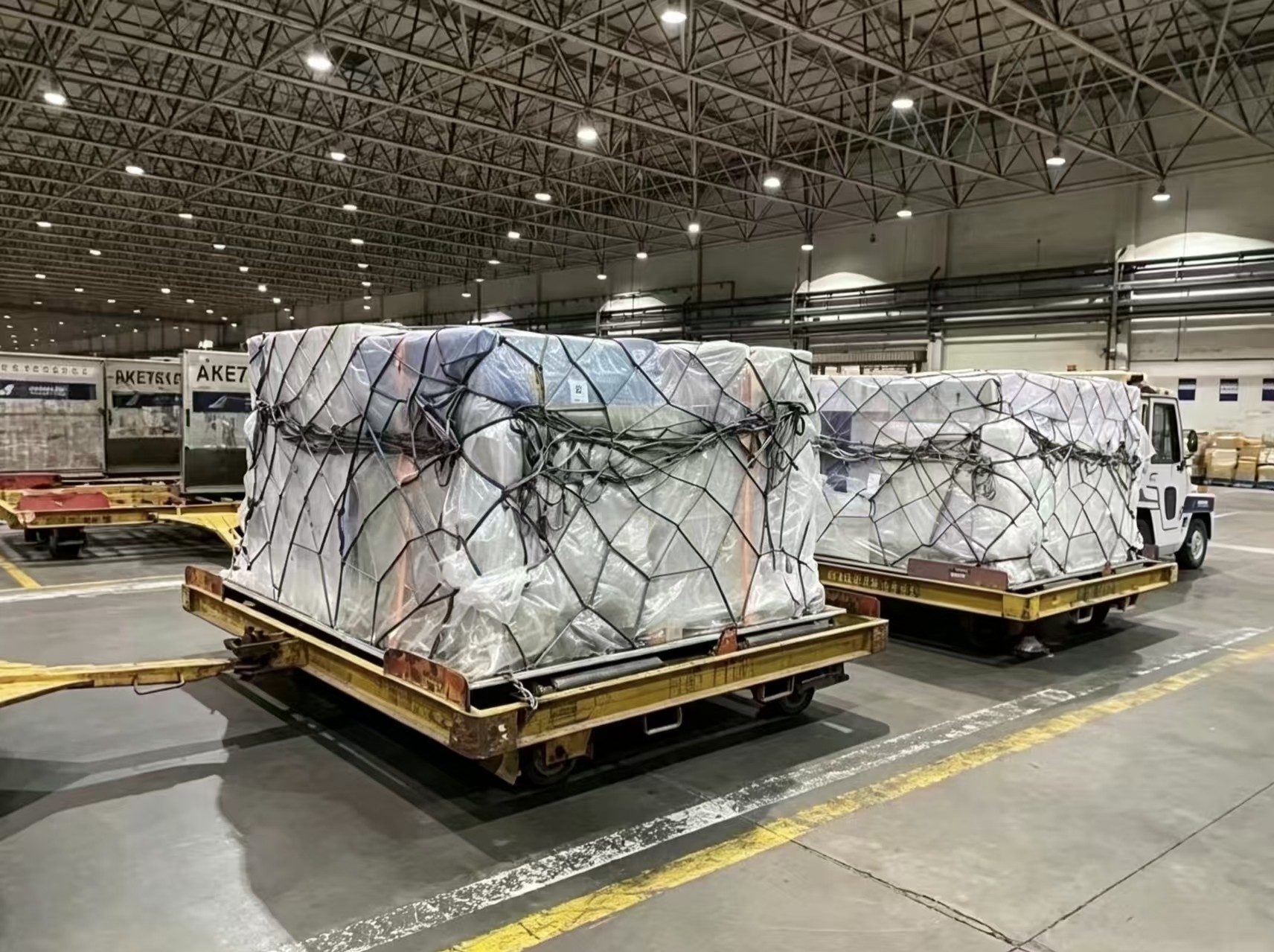
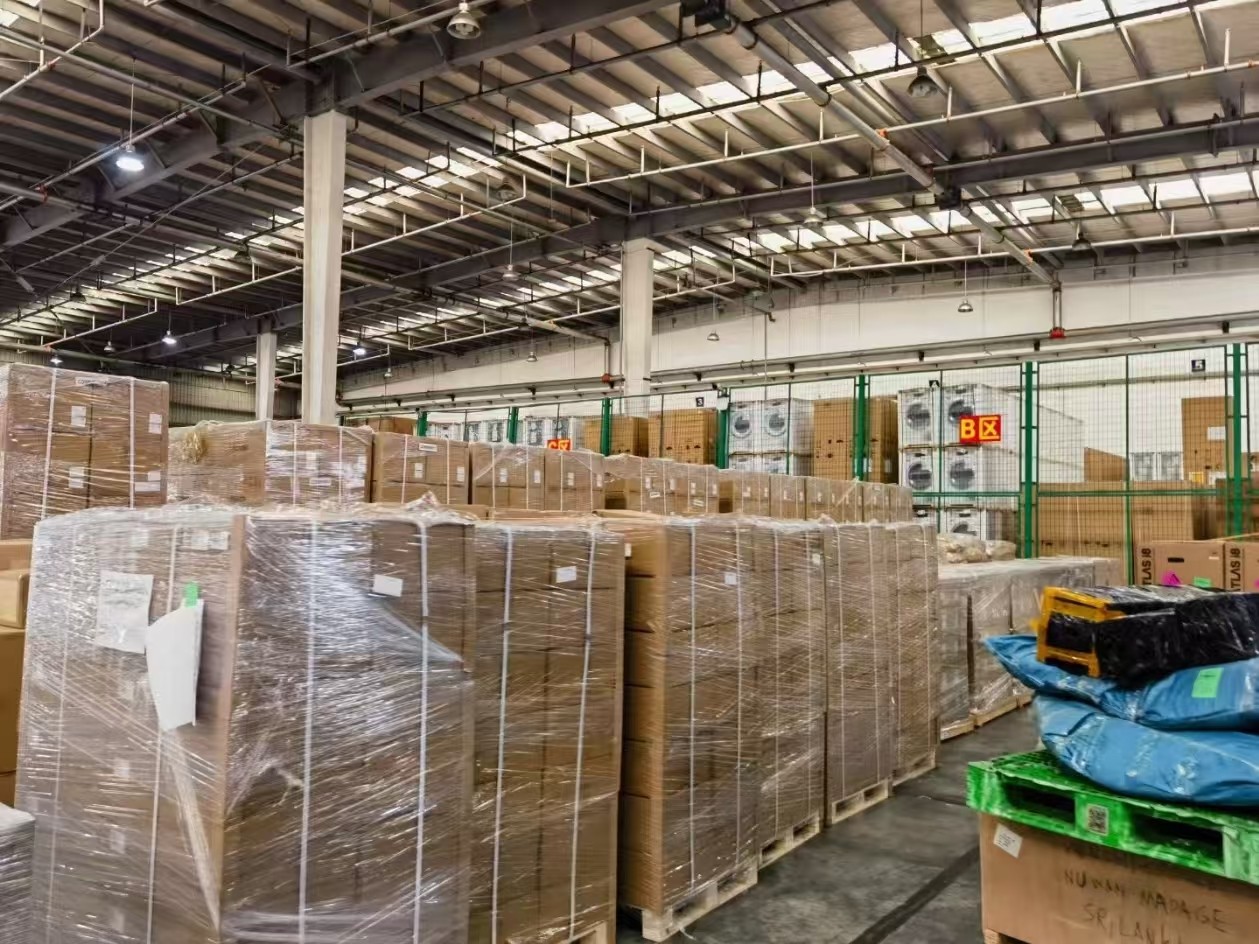
International logistics warehousing differs from an ordinary domestic warehouse. It is a specialised warehousing node built for cross-border export, covering a whole series of operations such as receiving, counting, inventory management, sorting, mark application, palletising, temporary storage, cargo consolidation and container loading. It is divided into domestic front warehouses and transit distribution warehouses, and in some scenarios is also supported by overseas warehouses.
Export packaging, by contrast, is protective packaging engineered for long-distance cross-border transport — it is not simply putting the goods into a carton. It includes a complete package of inner protection, outer cartons, wooden frames or wooden cases, pallet reinforcement, moisture-proof and rust-proof treatment, shipping mark identification, and securing and lashing. It has to match the different transport environments of ocean freight, rail, air freight and cross-border trucking, while at the same time meeting the compliance requirements of destination customs, quarantine and IPPC wood packaging rules.
2. Which Cargo Suits Professional Warehousing and Customised Export Packaging?
Cargo scenarios that are suitable
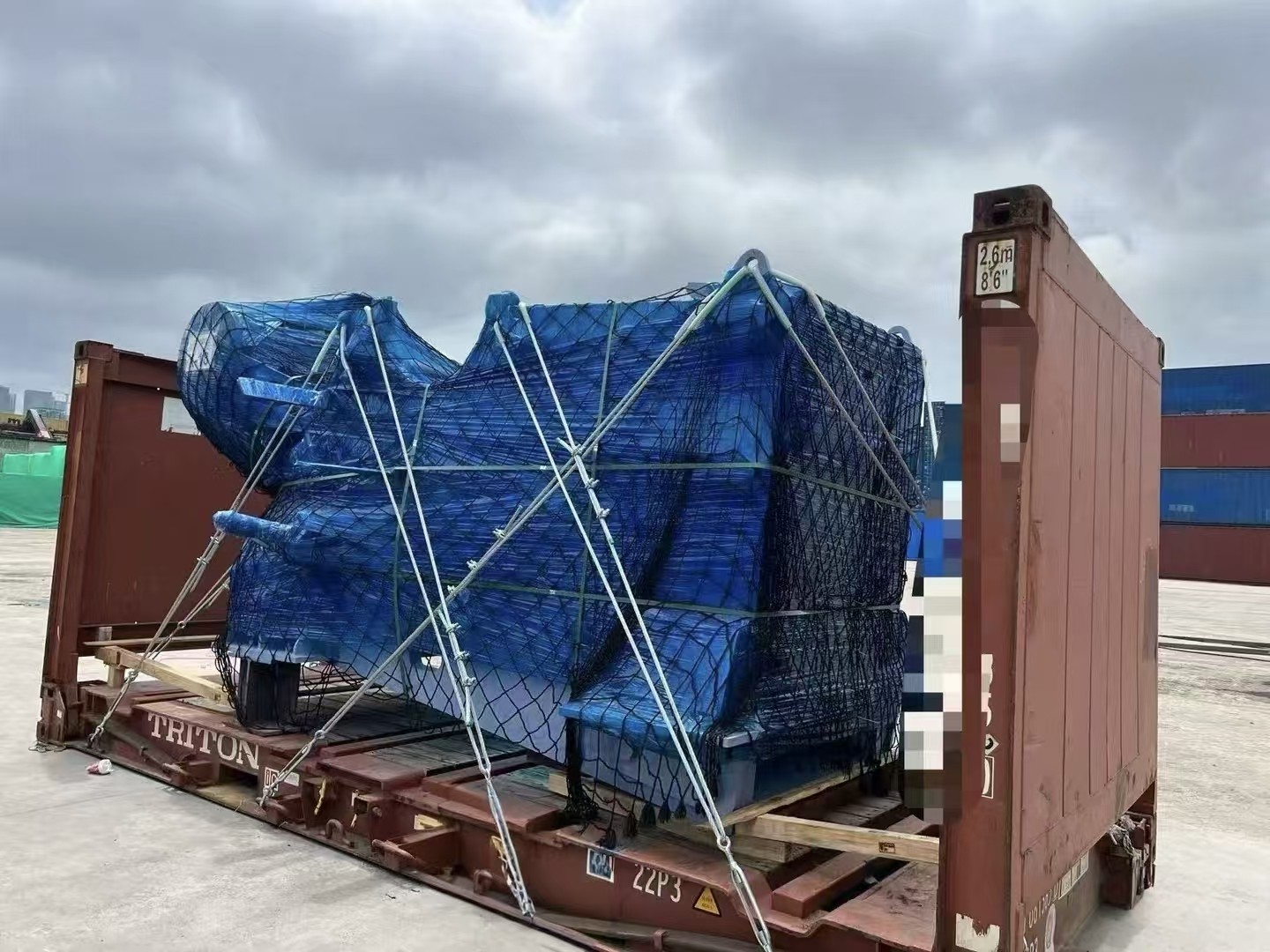
- Construction machinery, generator sets, energy storage equipment and precision instruments: large equipment that is vulnerable to impact and moisture.
- Loose, multi-batch LCL cargo: requiring consolidation, combined shipment and SKU-level management.
- Unpacked steel structures and metal parts: requiring rust prevention, stretch film, wooden pallets and reinforced frames.
- Fragile goods, glassware and instruments and meters: requiring cushioning liners and individual protection.
- Project cargo with multiple orders and multiple consignees: requiring staged inbound storage, shipment-by-shipment mark application and staged despatch.
- Cargo with wooden packaging requirements that needs IPPC fumigation marks.
- Orders held in temporary storage while waiting for space allocation, a letter of credit, or a customer instruction to postpone despatch.
Note: within the scenarios above, IPPC-fumigated wooden pallets and wooden cases, and dangerous-goods packaging appraisal, are compliance value-added services. They need separate assessment and pricing, and are not included in the basic warehousing service by default.
3. The Core Value of International Logistics Warehousing and Packaging
- First, lower cargo damage risk. Ocean shipping brings wide temperature swings and very heavy condensation inside the container, while long-distance rail transport means repeated vibration and multiple transhipment handling. Qualified moisture-proof, reinforced and cushioned packaging can substantially reduce breakage, rust and water ingress.
- Second, higher container utilisation. Professional palletising, uniform packaging and rational layout optimise the space inside the container and cut wasted capacity, directly saving the customer ocean and rail freight.
- Third, meeting national compliance thresholds. Wood packaging fumigation, shipping mark standards, label languages and dangerous-goods packaging appraisal are completed in the warehouse in advance, avoiding customs inspection and return shipment after arrival.
- Fourth, flexible despatch planning. A front warehouse can receive cargo centrally and ship it in batches, which suits project cargo and export orders despatched in stages; the factory does not have to deliver everything at once.
- Fifth, easier end-to-end tracking. Inbound counting, photo records and inventory ledgers keep the cargo status clear and reduce disputes over wrong despatch, missed despatch or short delivery.
4. Packaging Standards Differ by Transport Mode
| Transport mode | Packaging focus |
|---|---|
| Ocean freight | Focus on moisture protection, rust protection and container condensation; for large equipment, solid-wood fumigated cases or steel frames are preferred, and pallets must carry IPPC marks; secure and lash inside the container to prevent shifting under ocean movement. |
| International rail | Wide temperature swings and frequent vibration: focus on reinforcement against loosening; metal parts need rust-proof film; marks must be clear and abrasion-resistant so long-distance transport does not wear them illegible. |
| Air freight | Control packaging deadweight and prefer lightweight, high-strength packaging; protect edges and corners and never allow sharp corners to protrude; lithium batteries and powered goods must meet air cargo packaging rules. |
| Cross-border trucking (TIR) | Repeated handling and cross-border vehicle changes: pallets must be stretch-wrapped, reinforced and slip-resistant; outer cartons must be abrasion-resistant and marks applied on at least two sides. |
5. Common Risks and the Pitfalls Exporters Fall Into
- Pitfall 1: exporting with domestic e-commerce packaging. Judging by appearance alone and skipping moisture and rust protection means the goods can arrive rusted and written off after a month at sea.
- Pitfall 2: wooden pallets without IPPC fumigation marks. Customs in the EU, Australia and other markets will detain the cargo and require return shipment or on-site fumigation, generating enormous costs.
- Pitfall 3: arbitrary packaging dimensions with no advance calculation. The cargo will not fit into the container, an extra container is needed, and the freight exceeds the budget.
- Pitfall 4: shipping marks applied on only one side. During transhipment the marks are crushed or covered, the warehouse and the destination port cannot sort the cargo, and shipments are misdirected or lost.
- Pitfall 5: large equipment wrapped in only a single layer of film. Without wooden frames and supporting reinforcement, it is knocked out of shape during handling and the equipment's functions are impaired.
- Pitfall 6: multiple shipments mixed in the warehouse with no zonal identification. Consignments are mixed up and wrongly loaded at despatch, causing a delivery incident for the customer.
6. Bloom Supply Chain Warehousing and Packaging Solutions
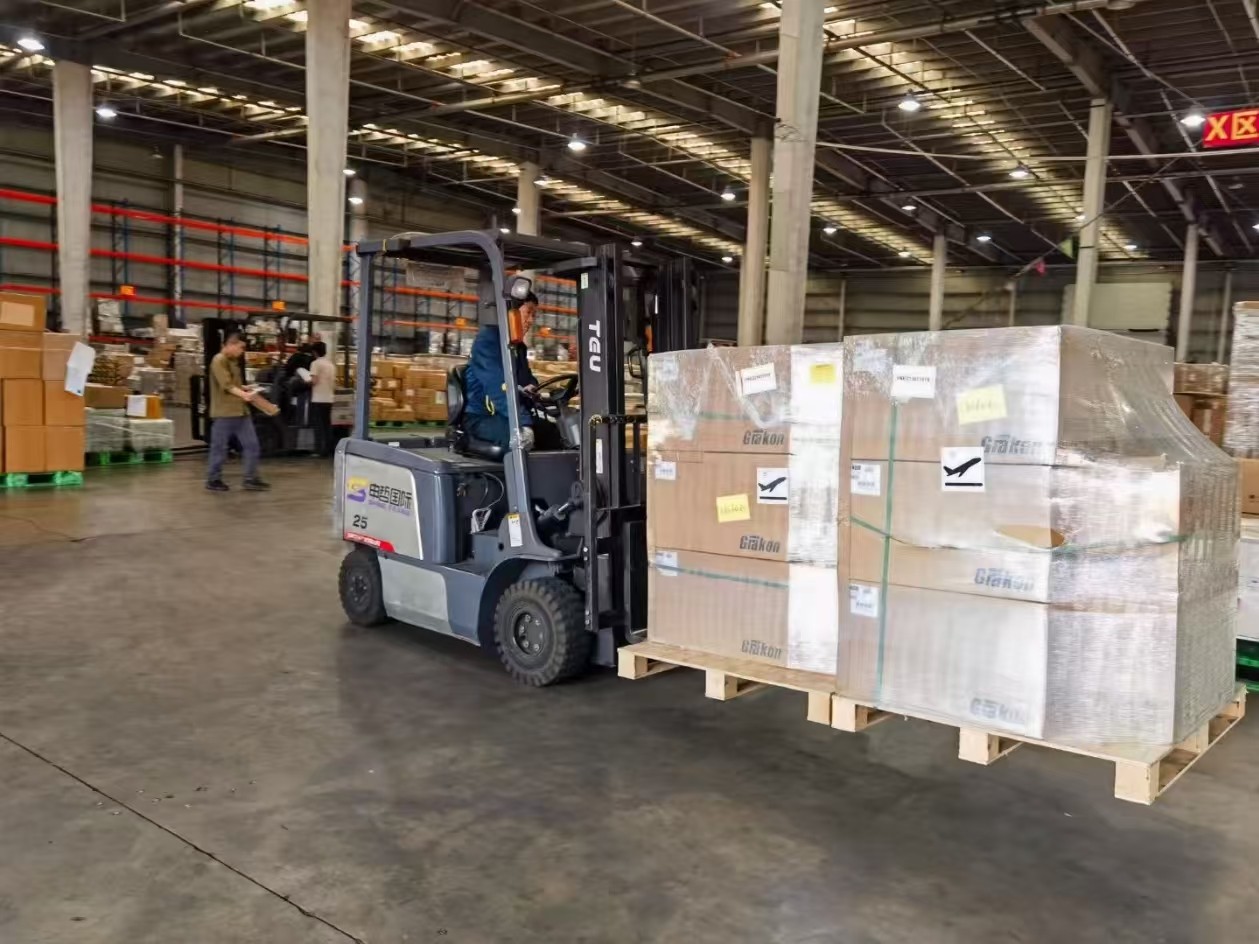
As a supply chain service provider holding NVOCC status (MOC-NV09157), we deliver integrated front-end warehousing and customised export packaging that suits all kinds of export orders, including construction machinery, energy storage equipment, project cargo and general cargo.
Services include:
- Inbound cargo inspection and acceptance
- Inventory ledger management
- Photo archiving
- Sorting and shipment separation
- IPPC-fumigated wooden pallets and wooden cases
- Vacuum rust-proof packaging
- Cushioning liners
- Palletising and stretch wrapping
- Shipping mark production and application
- In-container reinforcement and lashing
- Consolidation and container loading
We define the packaging solution that fits the transport route, the nature of the cargo and the regulations of the destination country, balancing protection, compliance and freight cost. It works together with our international air freight, ocean freight, rail, trucking, break-bulk and OOG heavy-lift solutions, so project cargo is shipped end to end in one place.
For high-value oversized items and unpacked equipment exports, we recommend our team arranges cargo insurance alongside the booking, so cargo risk in both the warehousing stage and the transport stage is covered together.
Submit your cargo type, cargo volume, destination country and transport mode to receive a free warehousing and packaging assessment and quotation.